Iceland Travel Guide logo Iceland Travel GuideLOCAL TRAVEL AGENCY IN ICELAND My trip Talk to a local

Grótta nature reserve and lighthouse

ReykjavíkNature reserveFree entryClosed May–mid July
GRÓTTA IN SHORT

Grótta is a small nature reserve with a white lighthouse at the western tip of the Seltjarnarnes peninsula, on the edge of Reykjavík. It is free to visit, but the island is closed for bird nesting from 1 May to 15 July, and you can only cross the causeway at low tide. Allow 1–2 hours.

ON THIS PAGE
Quick factsHistoryGetting thereThings to doBest time to visitSafety tipsFacilitiesMapNearbyWhere to stayFAQ

About Grótta

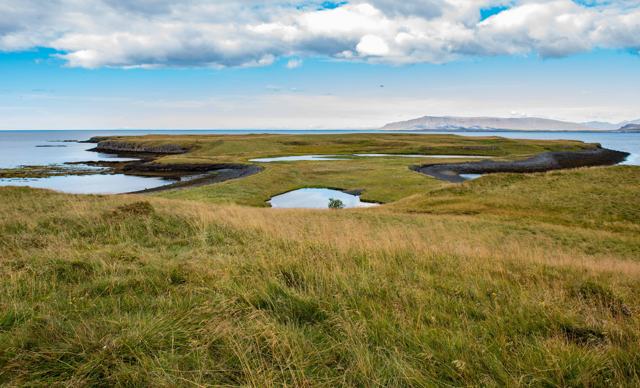
Grótta is a small, low island joined to the mainland by a narrow strip of land that floods at high tide. Beyond it stands a bright white lighthouse, a beach with dark sand, and open views over Faxaflói bay. On a clear day you can see the Reykjanes peninsula to the south and Snæfellsnes, with Snæfellsjökull glacier, to the north.

The area became a nature reserve in 1974. It is an important spot for birds, especially Arctic terns, eiders and gulls, and the pond next to it, Bakkatjörn, attracts tufted ducks and other waterfowl. Seals sometimes rest on the rocks along the shore.

It is also one of the easiest places near Reykjavík to see the Northern Lights, thanks to dark skies and a clear view to the north. The lighthouse itself is closed to the public, so you enjoy it from outside.

Quick facts

LocationWestern tip of Seltjarnarnes, at the edge of Reykjavík
ProtectedNature reserve since 1974
LighthouseFirst built in 1897; the present lighthouse dates from 1947
ClosureThe island is closed for nesting birds from 1 May to 15 July
TidesThe causeway floods at high tide; cross only at low tide
EntryFree
ParkingA car park near the reserve entrance
Time needed1–2 hours
Best forBirds, sunsets, Northern Lights in winter

A light for Faxaflói

A lighthouse has guided ships into Faxaflói bay since 1897. The first tower was replaced by the present one, built in 1947. The lighthouse still works, so keep to the paths around it.

The island exists because of the tide. Twice a day, the sea covers the causeway and Grótta becomes a real island. People have been caught out here before, so always check the tide table before you cross.

How to get to Grótta

By carDrive to the western end of Seltjarnarnes, about ten minutes from central Reykjavík. There is a car park near the reserve entrance.
On foot or by bikePaths along the coast link Grótta with Reykjavík. It makes a good coastal walk or cycle.
By public transportStrætó city bus route 11 runs out to Seltjarnarnes. Get off north of Lindarbraut and walk about 15 minutes to Grótta. Routes and stop names change, so check the current timetable.

Check tide times before you cross the causeway, and do not go out onto the island during the closure from 1 May to 15 July.

Things to do at Grótta

Grótta is a place for a slow walk more than a list of sights, but there is more here than the lighthouse.

Birdwatching in summerSummer is the season for birds. Arctic terns nest in a colony on the rocks, and tufted ducks and other freshwater species use Bakkatjörn pond. The island itself is closed from 1 May to 15 July, but you can watch from the shore path and the pond. Bring a camera, keep to the paths, and do not go near eggs or chicks: the terns will dive at you.
Northern Lights in winterWith little light pollution and an open view north over the bay, Grótta is one of the best-known places in the capital area to look for the aurora. You need a clear, dark night and some luck.
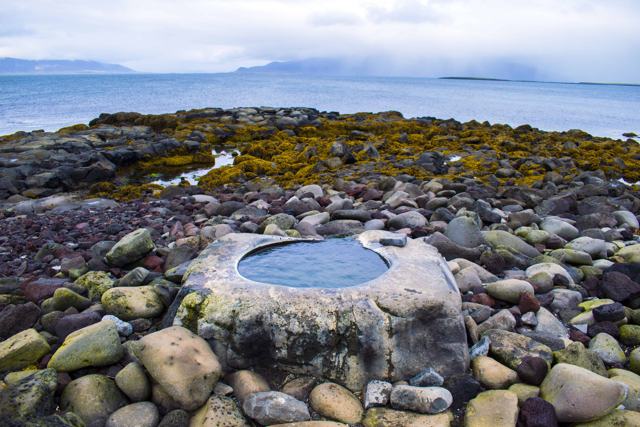
Kvika footbathA small geothermal footbath carved into a rock on the shore, a short walk from the car park. On a cold evening you can sit with your feet in warm water and watch the sky.
Walking and cycling pathsCoastal paths run round the peninsula, including the Norðurströnd path along the north shore towards Reykjavík. They are flat and good for bikes.
Also on SeltjarnarnesThere is a golf course near the reserve, and Nesstofa, an 18th-century stone house linked to the history of medicine in Iceland, is close by. Check opening times before you plan around it.

The breeding closure runs from 1 May to 15 July. Keep to the walking paths at all times; disturbing the birds can bring a fine.

Best time to visit Grótta

Summer (mid-July–August)The reserve reopens after nesting. Long evenings and mild weather make it a good time for a walk. Arctic terns may still be around.
Autumn and winter (September–March)Dark skies and clear views mean this is a good place for the Northern Lights. Wrap up warmly, as the wind off the sea is strong.
Spring (April)The island is open until 1 May. Birds are arriving, so keep distance.

May to mid-July, the island is closed to protect nesting birds.

Safety and practical tips

  • Check tide tables before you cross. The causeway floods and people have been stranded.
  • Respect the closure from 1 May to 15 July. Disturbing nests can bring a fine.
  • For the Northern Lights, choose a clear, dark night and check the aurora forecast on vedur.is.
  • Dress in layers and bring a windproof jacket. It is exposed and cold by the sea, even on sunny days.
  • Stay on paths and do not touch nests or seabirds.
  • The lighthouse is not open to visitors.
  • Come on a clear day if you can, for the views across the bay to Reykjanes and Snæfellsnes.

Facilities and accessibility

There is a car park near the entrance and paths along the coast. There are no shops or cafés on the island. The Kvika footbath and a swimming pool are nearby in Seltjarnarnes.

On the map

Open in Google Maps →

Nearby places worth a stop

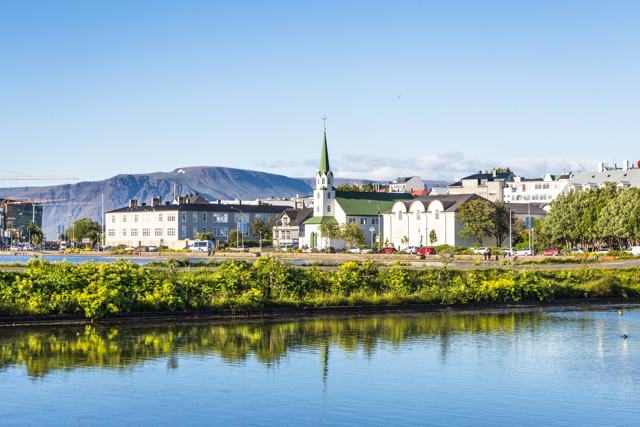
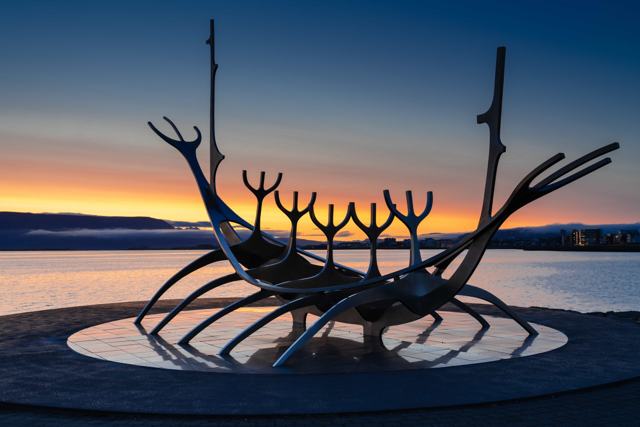
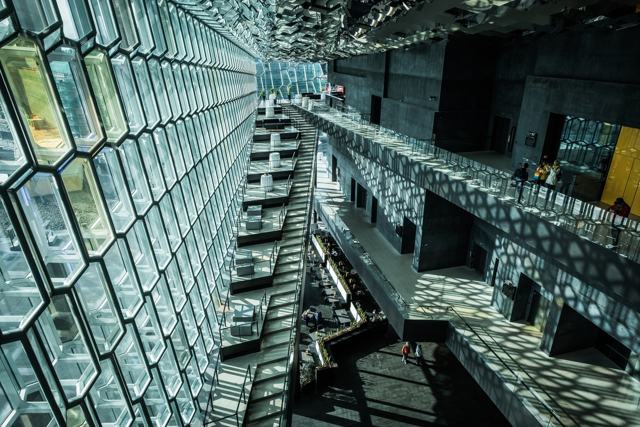
Kvika footbathKvika footbathGeothermal footbath on the Seltjarnarnes shoreNauthólsvík beachNauthólsvík beachGeothermal beach in ReykjavíkTjörnin pondTjörnin pondCity-centre pond and birdlifeSun VoyagerSun VoyagerSteel sculpture on the seafrontHarpaHarpaConcert hall on the harbourViðey IslandViðey IslandFerry island with the Imagine Peace Tower

Where to stay near Grótta

Stay in central Reykjavík, only a short drive or bus ride away. Seltjarnarnes itself has few places to stay.

Grótta FAQ

Can you go into the lighthouse?

No. The lighthouse is not open to visitors, but you can walk right up to it when the island is open.

When is Grótta closed?

From 1 May to 15 July every year, to protect nesting birds.

What about the tide?

The causeway floods at high tide. Cross only at low tide and check the tide table.

Is Grótta good for the Northern Lights?

Yes. It has little light pollution and a clear view to the north, so it is a popular spot near the city in winter.

Is it free?

Yes, there is no entry fee.

How do I get to Grótta by bus?

Take Strætó route 11 to Seltjarnarnes, get off north of Lindarbraut and walk about 15 minutes. Check the current timetable first.

Can I see the Northern Lights with my feet in warm water?

Yes. The Kvika footbath on the shore near Grótta is fed with geothermal water. It is a footbath only, not a pool.
More places in Reykjavík