Iceland Travel Guide logo Iceland Travel GuideLOCAL TRAVEL AGENCY IN ICELAND My trip Talk to a local

Hálsanefshellir sea cave at Reynisfjara

South IcelandSea caveFree entryCheck safety alerts
HÁLSANEFSHELLIR IN SHORT

Hálsanefshellir is a shallow sea cave with basalt columns at the eastern end of Reynisfjara black sand beach, near Vík, about 180 km (2.5 hours) from Reykjavík. It is free to see, but the beach has dangerous sneaker waves and access to the cave is often closed. Always check the warning lights and safety alerts first.

ON THIS PAGE
Quick factsHistoryGetting thereSafetyBest time to visitSafety tipsFacilitiesMapNearbyWhere to stayFAQ

About Hálsanefshellir

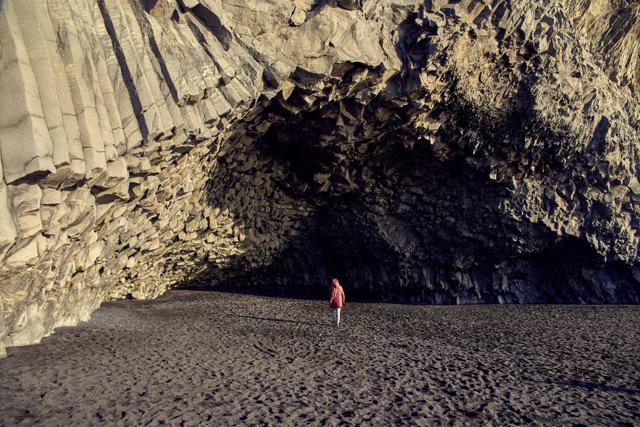
Hálsanefshellir is a sea cave at the foot of the Reynisfjall cliffs, at the eastern end of the black sand beach of Reynisfjara, the end nearest Vík. The ceiling and walls are made of basalt columns, six-sided and polygonal in cross-section, formed when lava cooled long ago. The waves have cut back into the rock to make the cave.

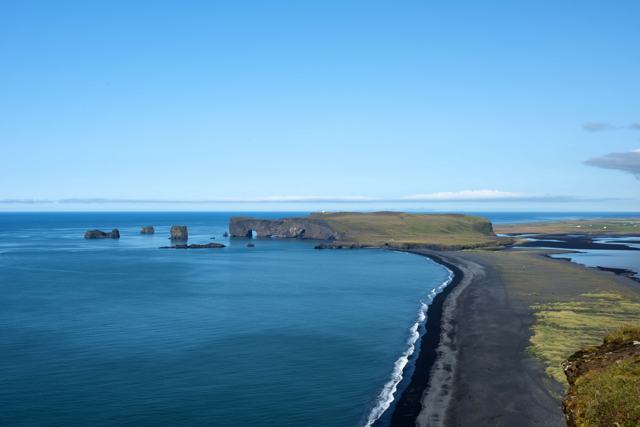
The cave is part of what makes Reynisfjara one of the most photographed beaches in Iceland, along with the Reynisdrangar sea stacks offshore. But the beach is also one of the most dangerous. Sneaker waves can surge far up the sand without warning and have killed people here.

Access to the cave and its columns depends on conditions. Following a fatal incident in August 2025, authorities said the cave and columns should be closed when the beach is on a red warning. Some sources say it is often not accessible at all, so do not plan your day around going inside.

Quick facts

TypeBasalt sea cave
RegionSouth Iceland, Reynisfjara beach near Vík
From ReykjavíkAbout 180 km, around 2.5 hours by car
From VíkAbout 10 km by road, 10–15 minutes: Route 1 west over the pass, then Route 215
EntryFree
ParkingPaid at the Reynisfjara car park (about ISK 1,000 via Parka, check on site)
Opening hoursBeach open at all times; cave closed when conditions are unsafe
Warning systemTraffic lights at the beach entrance: green, yellow or red
Time needed30–60 minutes at the beach

Trolls and fishermen

The cave and the nearby Reynisdrangar stacks appear in local folklore. The stacks are said to be trolls that were caught by the sunrise and turned to stone while dragging a ship to shore.

Some accounts say the cave was once used as shelter by fishermen and farmers caught out by bad weather. Its history is less certain than its folklore.

How to get to Hálsanefshellir

On a guided tourMost South Coast day trips from Reykjavík stop at Reynisfjara. Guides know the current safety rules and can tell you what is open.
By carTake Route 1 east from Reykjavík to the turn-off just before Vík, then Route 215 for about 5 km to the Reynisfjara car park. The road is paved. From the car park, walk down to the beach and turn left (east) towards the cliffs of Reynisfjall. The basalt columns come first and the cave is just beyond them.
By public transportThere is no regular bus to Reynisfjara. Some summer services stop in Vík, which is about 10 km away by road on the other side of Reynisfjall.
ParkingThe car park has a fee, reported at about ISK 1,000 and paid via the Parka app or at machines. Please confirm the amount on site.

The beach changed a lot in February 2026, when weeks of heavy surf eroded the sand and part of the basalt column wall collapsed. The shoreline is narrower than before. Follow all signs and barriers and check safetravel.is for current warnings.

Beach safety

Reynisfjara has killed visitors. The rules are simple.

Warning lightsRed means the beach is closed. Yellow means you can go on the beach but must stay behind the marked lines. Green means access is allowed, but you must still watch the sea at all times.
Stay well backKeep at least 30 metres from the water. Never turn your back on the ocean, even on a calm day. Do not go near the cave in rough seas.
Falling rockRock can fall from the cliffs above the cave. Do not linger under the wall.

If the warning light is red or barriers are up, do not enter the cave or go down to the water, however calm it looks.

Best time to visit Hálsanefshellir

Summer (June–August)Long days and the most visitors. Sneaker waves can still happen. Come early or in the evening.
Winter (November–March)Stronger surf, more closures and short daylight. Only view the beach from the marked areas and obey the warning lights.

The danger comes from the sea, not the season. Waves can be deadly on a sunny day.

Safety and practical tips

  • Never turn your back on the ocean and never go closer than the marked lines.
  • Do not go into the cave if the light is red, barriers are up or waves are reaching the cliff.
  • Check safetravel.is before you go and follow the local signs.
  • Bring a torch if you go into the cave when it is open. It is dim inside.
  • Do not swim. The currents are strong and the water is very cold.

Facilities and accessibility

Toilets, a coffee shop and the Black Beach Restaurant are at the car park, a short walk from the beach. The cave is on natural sand and rock and is not wheelchair accessible.

On the map

Open in Google Maps →

Nearby places worth a stop

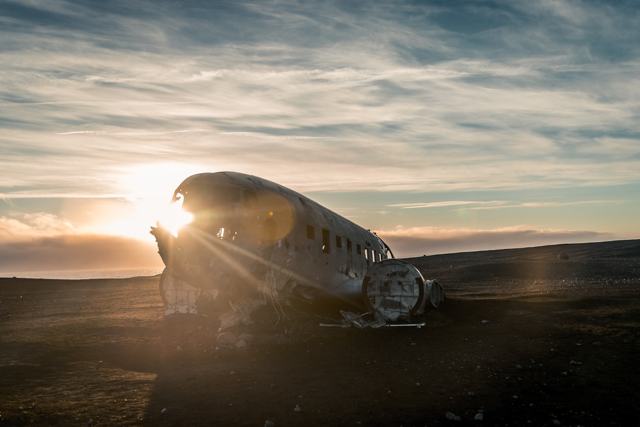
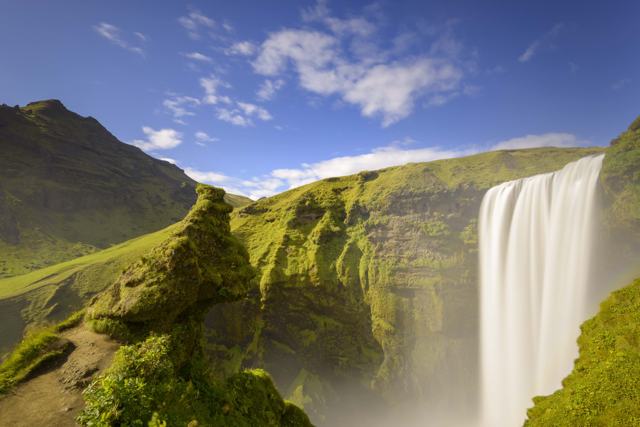
ReynisfjaraReynisfjaraThe black sand beach the cave is onVíkVíkSmall village with shops and restaurantsDyrhólaeyDyrhólaeyHeadland and arch with viewsSólheimasandur plane wreckSólheimasandur plane wreckPlane wreck on a black sand plainSkógafossSkógafossLarge waterfall on the way from Reykjavík

Where to stay near Hálsanefshellir

Vík has hotels, guesthouses and a campsite. Guesthouses and farm stays are also spread along the South Coast towards Skógar and Kirkjubæjarklaustur.

Hálsanefshellir FAQ

Can you go into Hálsanefshellir cave?

Sometimes, but access is often closed. It depends on sea conditions and safety warnings, and it should be closed when the beach is on a red warning.

Is Hálsanefshellir dangerous?

Yes. Reynisfjara has unpredictable sneaker waves that have killed visitors. Follow the warning lights and never turn your back on the sea.

Is there an entry fee?

No, but there is a fee to park at the Reynisfjara car park.

How far is it from Reykjavík?

About 180 km, around 2.5 hours by car.

What makes the cave special?

Its ceiling and walls are made of basalt columns, formed from cooled lava and shaped by the waves.
More places in South Iceland