Iceland Travel GuideLOCAL TRAVEL AGENCY IN ICELAND
My trip
Talk to a local
Iceland Travel GuideLOCAL TRAVEL AGENCY IN ICELAND
My trip
Talk to a local
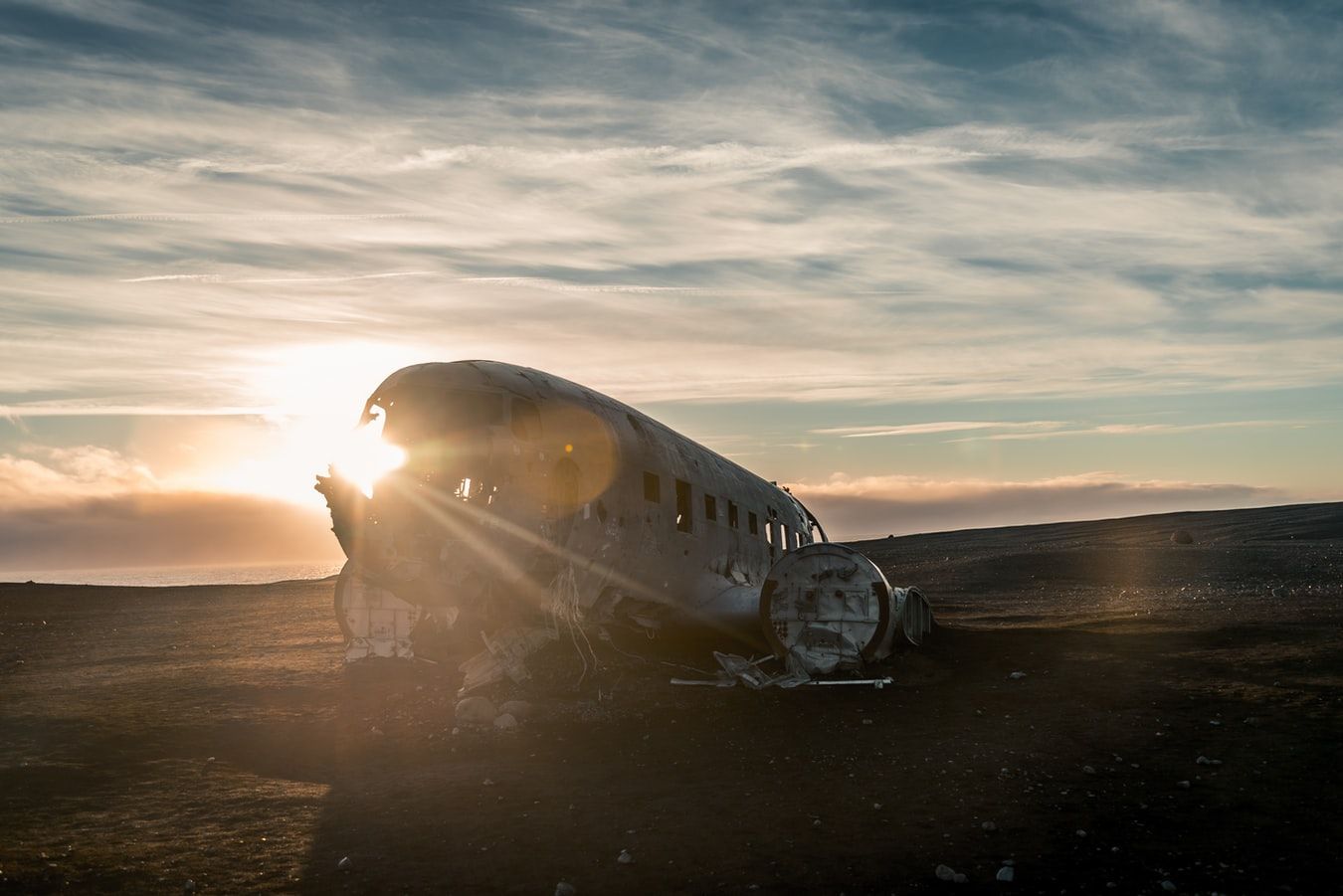
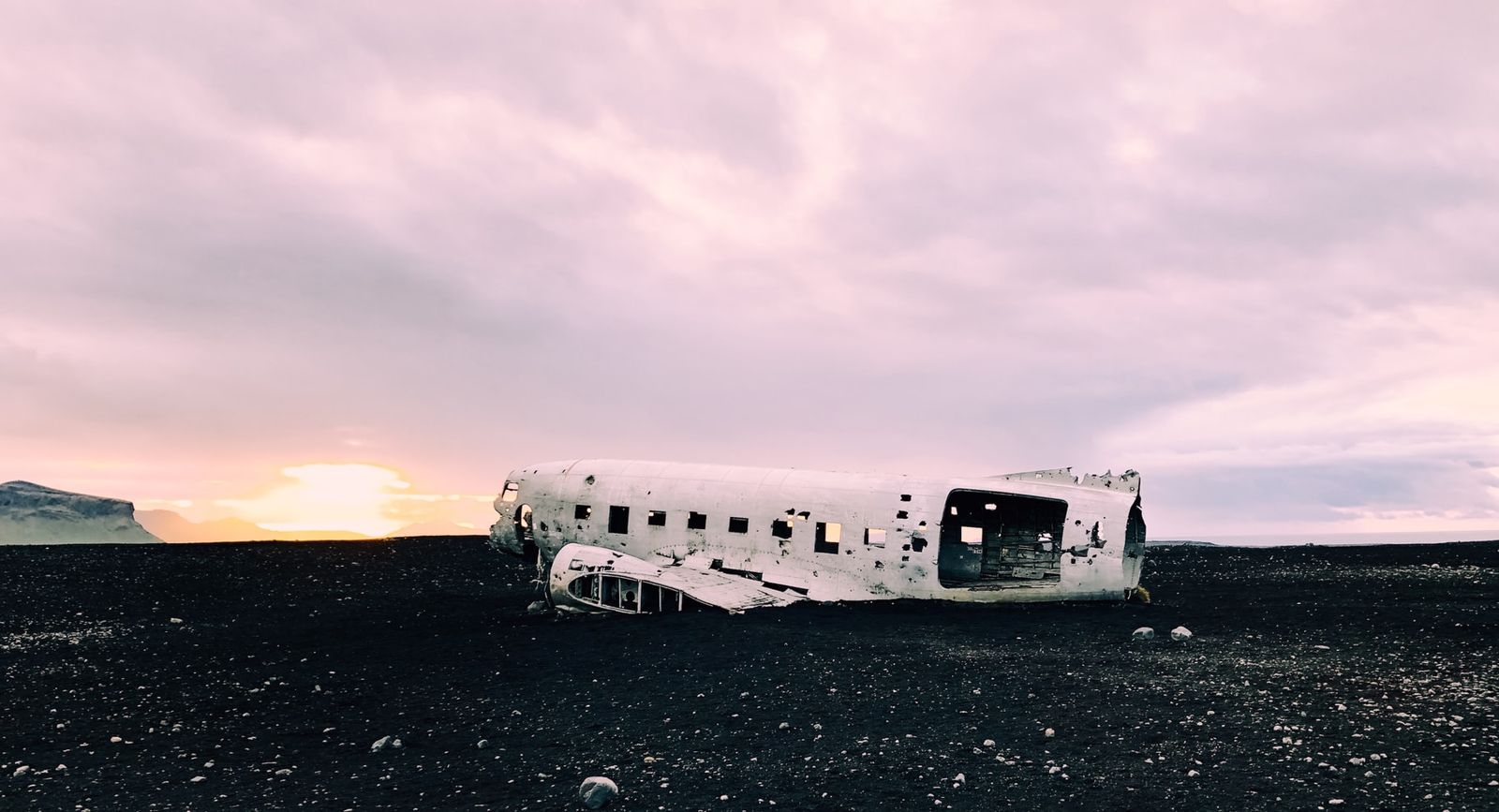
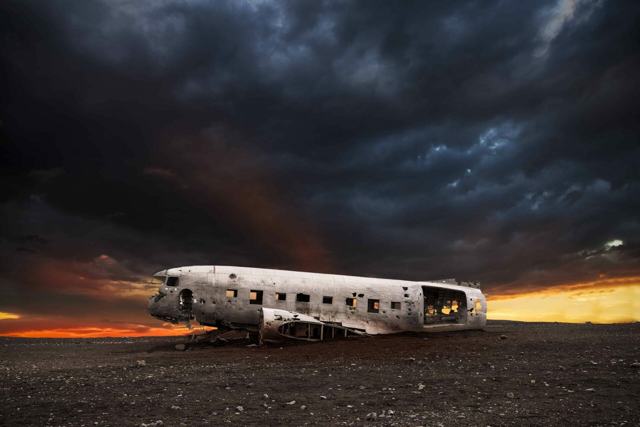
The Sólheimasandur plane wreck is the rusted hull of a US Navy Douglas Super DC-3 that made an emergency landing on this black sand plain in South Iceland in 1973. It sits about 180 km (around 2 hours 15 minutes) from Reykjavík, on private land with a parking fee, open all year, and reaching it means a walk of about 4 km each way across flat, exposed ground.
On 21 November 1973, a US Navy Douglas Super DC-3, flying back to Keflavík from Höfn in Hornafjörður after a supply run, ran into icing that caused engine trouble, and the crew put it down on the flat black sand of Sólheimasandur rather than risk a longer flight. All seven crew walked away unhurt, and the plane was stripped of anything valuable and left where it landed. Decades of wind, salt air and visitors have stripped it further, but the fuselage still sits alone on the sand, which is exactly what has made it so photographed.
There is no other landmark out here: just black volcanic sand stretching to the sea and mountains, and the wreck sitting in the middle of it, doors and windows long gone. The walk out is flat but exposed, with no shelter and nothing to break the wind, so it feels longer than the distance suggests, especially heading back with the wind against you.
The crash itself was minor as these things go: bad weather iced the engines, the crew made a controlled emergency landing, and no one was hurt. The US Navy left the wreck rather than remove it from the remote sand plain, and over the following decades it became something else entirely, a strange, solitary ruin that photographers and later social media turned into one of the most recognisable images of South Iceland, despite having nothing to do with Iceland's own history.
There is no vehicle access beyond the car park; walking, or the paid shuttle, are the only ways to reach the wreck. Bicycle rental at the car park has been discontinued.
You cannot drive to the wreck yourself. From the car park on Route 1 there are three ways to reach it, and which one suits you depends on time, weather and how much you like walking.
Whichever way you go, bring windproof clothing. There is no shelter at the wreck.
The pale, weathered fuselage on black sand, with the odd patch of moss and the mountains behind, is one of the most photographed scenes in Iceland. The light changes it completely: warm and low at sunset, flat and moody under cloud, white on black after fresh snow.
It is also a well-known place to photograph the northern lights in winter, with the aurora above the wreck. That means walking out and back in the dark and cold, so only do it in settled weather, with a headlamp, warm clothing and a charged phone, or use a guided tour. For a picture without people in it, come early in the morning or late in the evening in summer.
The sand plain is more fragile than it looks, and tyre tracks and footprints stay for years. Keep to the marked track, and never drive onto the sand: the wreck is on private land and off-road driving is illegal in Iceland.
The wreck itself has been damaged over the years by graffiti and souvenir hunters. Do not climb on it, scratch it or take pieces away, so that it is still here for the next visitor.
There is no single best time, but summer is the easiest. Pick a clear day with little wind and no rain or snow in the forecast: the sand plain is wide open, and bad weather hits harder here than almost anywhere on the South Coast. In snow the track is harder to follow and the walk takes longer.
None at the wreck itself. The car park has no permanent facilities; the nearest services are in Vík.
Vík, about 20 minutes away, has the nearest concentration of hotels and guesthouses, with more options around Skógar and Hvolsvöllur further west.
No. Vehicles are not allowed beyond the car park on Route 1; the wreck is reached on foot, or by a paid shuttle, across about 4 km of private land.
About 40 minutes to 1 hour each way, depending on pace, wind and ground conditions, for roughly 8 km round trip.
There is no entry fee for the walk itself, but parking at the car park costs ISK 750, paid through the Parka app or website.
It requires real preparation. The plain is completely exposed, daylight is short, and there have been deaths from exposure near the wreck, so check weather and dress properly, or consider the shuttle.
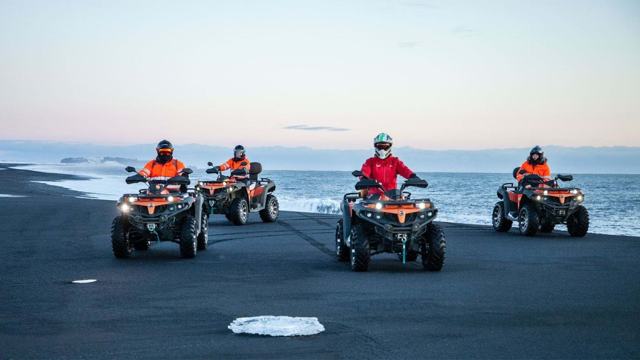
Park at the signposted car park on Route 1 between Skógar and Vík, then walk about 4 km each way, take the shuttle from the car park, or join a guided ATV tour.
Yes. A shuttle runs from the car park to the wreck in 10–15 minutes each way, daily from about 10:00 to 17:00 depending on daylight.
Summer, on a dry day with little wind. In winter the wreck is popular for northern lights photos, but the walk is cold, dark and exposed.
A US Navy DC-3 iced up on a flight from Höfn to Keflavík in November 1973 and the crew made an emergency landing on the sand. All seven on board survived.
Tours and trips that include Sólheimasandur plane wreck, booked directly with a local travel agency in Iceland.
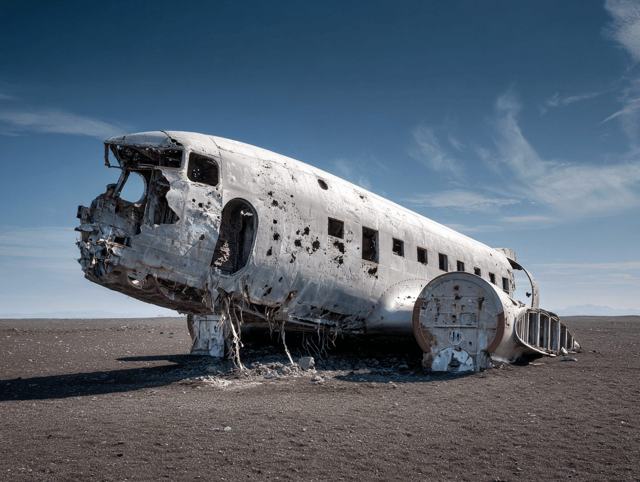 PRIVATESouth Coast & Solheimasandur Plane Wreck Private TourFrom 144,000 ISK per group
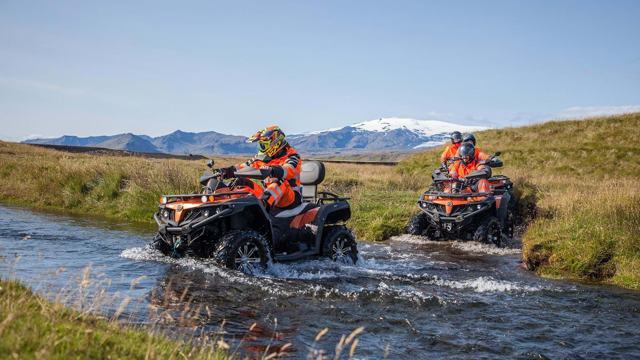 DAY TOURATV Tour to Solheimasandur Plane WreckFrom 25,499 ISK per person
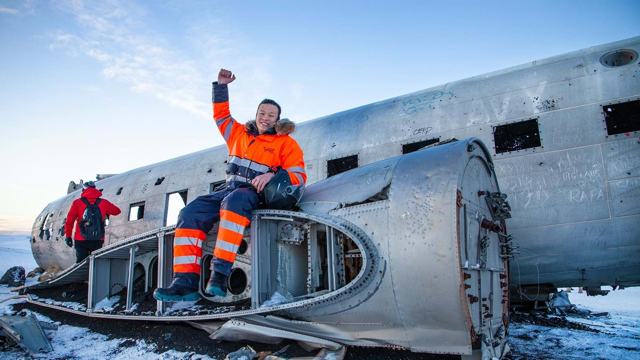 DAY TOURSouth Coast Adventure & ATV Tour to Solheimasandur Plane WreckFrom 37,499 ISK per person
 DAY TOURSouth Coast & Solheimasandur Plane Wreck Tour from ReykjavíkFrom 24,990 ISK per person
 DAY TOURATV Black Sand BeachFrom 18,999 ISK per person
 DAY TOURATV & Glacier Lagoon KayakingFrom 40,999 ISK per person