Iceland Travel Guide logo Iceland Travel GuideLOCAL TRAVEL AGENCY IN ICELAND My trip Talk to a local
Húsavík village

North IcelandTownFree entryOpen all year
HÚSAVÍK IN SHORT

Húsavík is a fishing town of around 2,400 people on Skjálfandi Bay in North Iceland, about 480 km (around 5.5 hours) from Reykjavík. It is best known as Iceland's whale watching capital, and is also the natural base for exploring the Diamond Circle route. Entry to the town is free, it is open all year, and most people spend at least half a day here.

ON THIS PAGE
Quick factsHistoryGetting thereIn townAround townBest time to visitSafety tipsFacilitiesMapNearbyWhere to stayFAQ

About Húsavík

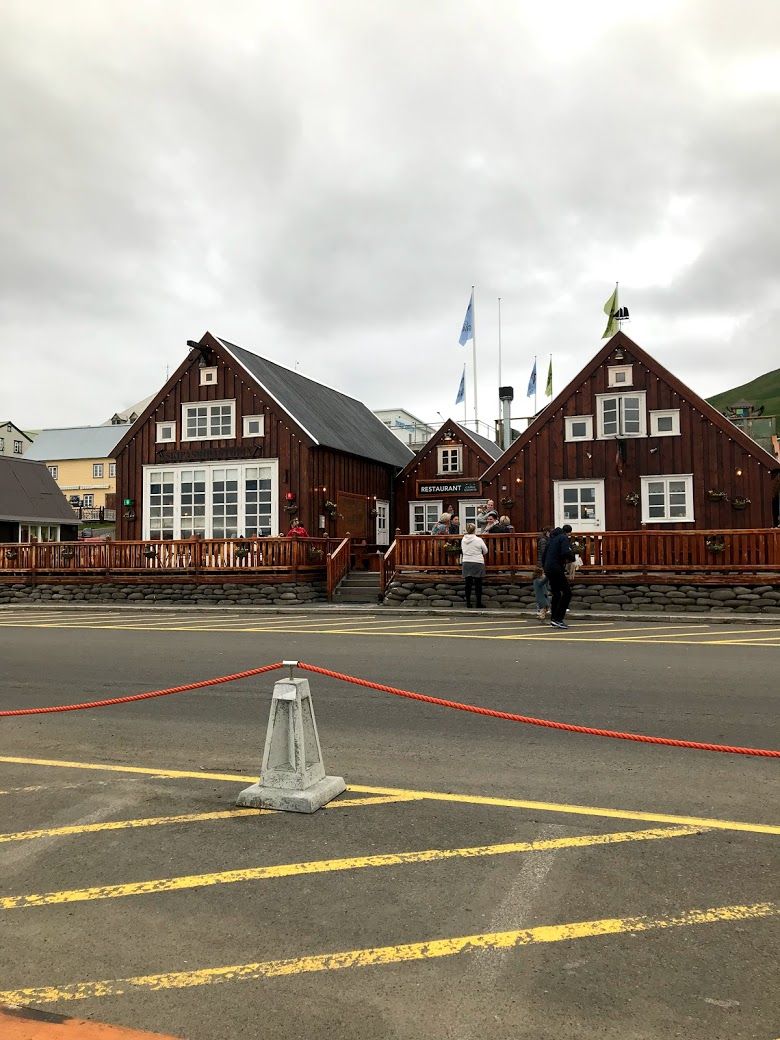
Húsavík is still a working fishing harbour, and that mix of real town and tourist base is part of its charm: colourful houses on the hillside, a timber church from 1907 looking out over the water, and boats coming and going between whale watching tours and the fish trade. Commercial whale watching started here in 1995, and the sheltered, food-rich waters of Skjálfandi Bay have made it one of the most reliable places in Europe to see whales.

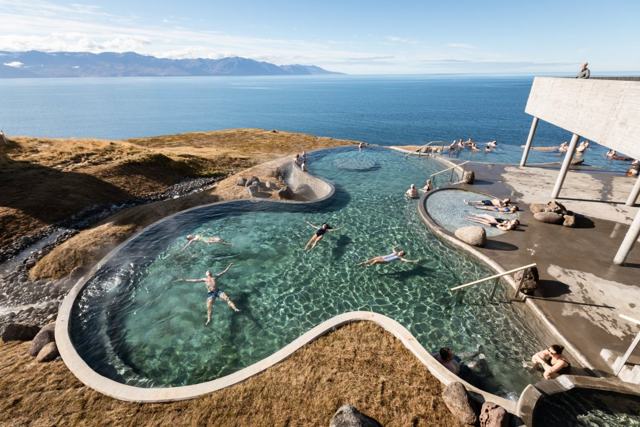
Beyond whale watching, Húsavík has its own small museums, including the Húsavík Whale Museum with full skeletons of several species, and GeoSea, a geothermal sea-bath complex built into the cliffs above the harbour with views across the bay. The town also makes a good overnight base for driving the Diamond Circle, the north Iceland loop that takes in Goðafoss, Lake Mývatn, Ásbyrgi canyon and Dettifoss.

Quick facts

RegionNorth Iceland, on Skjálfandi Bay
PopulationAbout 2,400
From ReykjavíkAbout 480 km, around 5.5 hours by car
From AkureyriAbout 75 km through the Vaðlaheiði toll tunnel (about 90 km over the Víkurskarð pass), around 1 hour
RoadRoute 85 from the Ring Road; Route 87 from Mývatn
Whale watching seasonYear-round, best May–September
EntryFree to walk around the town; museums and GeoSea charge admission
Time neededHalf a day, more with a whale watching tour or GeoSea

From fishing harbour to whale capital

According to the Book of Settlements, the Swedish Viking Garðar Svavarsson spent a winter here around 870, before the settlement of Iceland began in earnest, and built houses by the bay. That is where the name Húsavík, “bay of houses”, comes from. When he sailed away, a man called Náttfari stayed behind with two slaves and set up a farm nearby.

Húsavík is often described as one of the oldest settlements in Iceland, with sagas linking the bay to early Norse settlement. For most of its history the town's fortunes rested on fishing, and the harbour is still active with working boats alongside the whale watching fleet.

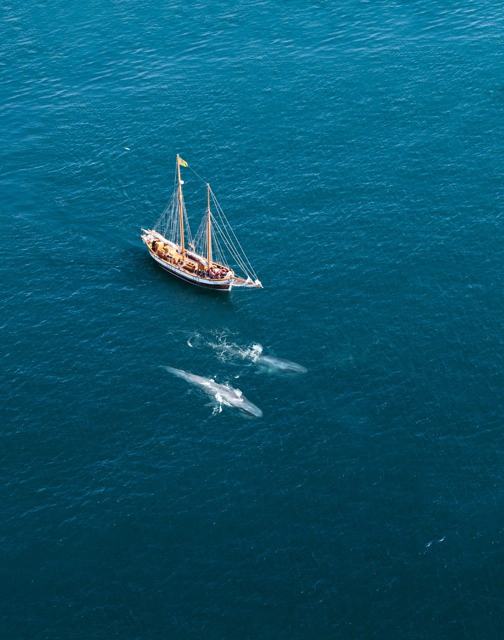
The switch to whale watching in the 1990s changed the town without replacing its working character. Skjálfandi Bay's currents concentrate food close to shore, drawing humpback and minke whales and white-beaked dolphins for much of the year, and occasionally blue whales and orcas, which is why so many tour operators are based here rather than further along the coast.

How to get to Húsavík

On a guided tourHúsavík is included on multi-day North Iceland and Diamond Circle tours from Reykjavík or Akureyri, usually with a whale watching trip built in.
By carFrom Reykjavík, take Route 1 to Akureyri and on east through the Vaðlaheiði tunnel, then turn north onto Route 85, which leads to Húsavík. From Lake Mývatn, Route 87 joins Route 85 south of the town. The main route is paved and kept open in winter, though conditions can turn quickly.
By public transportScheduled buses run between Akureyri and Húsavík in summer; services are reduced or seasonal, so check current timetables before relying on them.

Most visitors reach Húsavík as part of a longer North Iceland trip rather than a day trip from Reykjavík, either flying into Akureyri or driving up and staying a night or two.

What to do in town

Húsavík is small enough to explore on foot from the harbour.

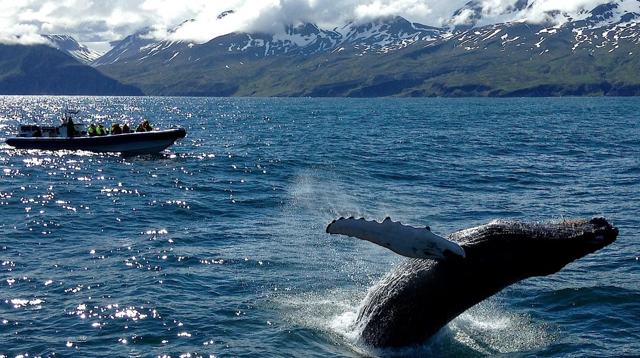
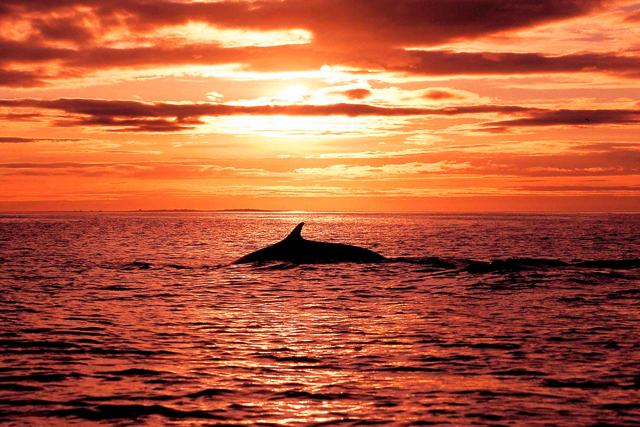
Whale watchingBoat tours leave from the old harbour several times a day in summer, less often in winter. Humpback and minke whales are the usual sightings, with white-beaked dolphins and harbour porpoises also in the bay. With luck you see a humpback breach or slap its fins. Warm overalls are provided; dress warmly underneath.
Húsavík Whale MuseumBy the harbour, with full skeletons of several whale species. It is a good stop before or after a boat trip.
HúsavíkurkirkjaThe wooden church from 1907 overlooks the harbour and is one of the most photographed buildings in town.
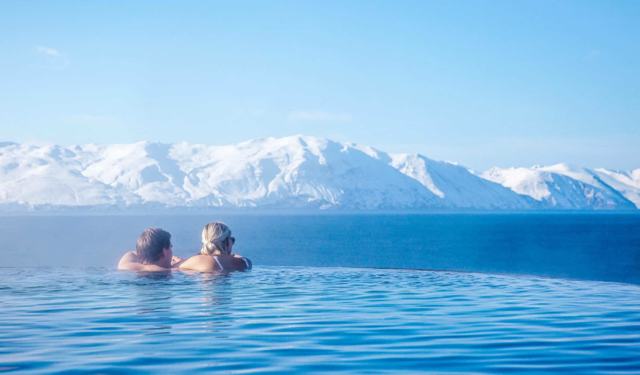
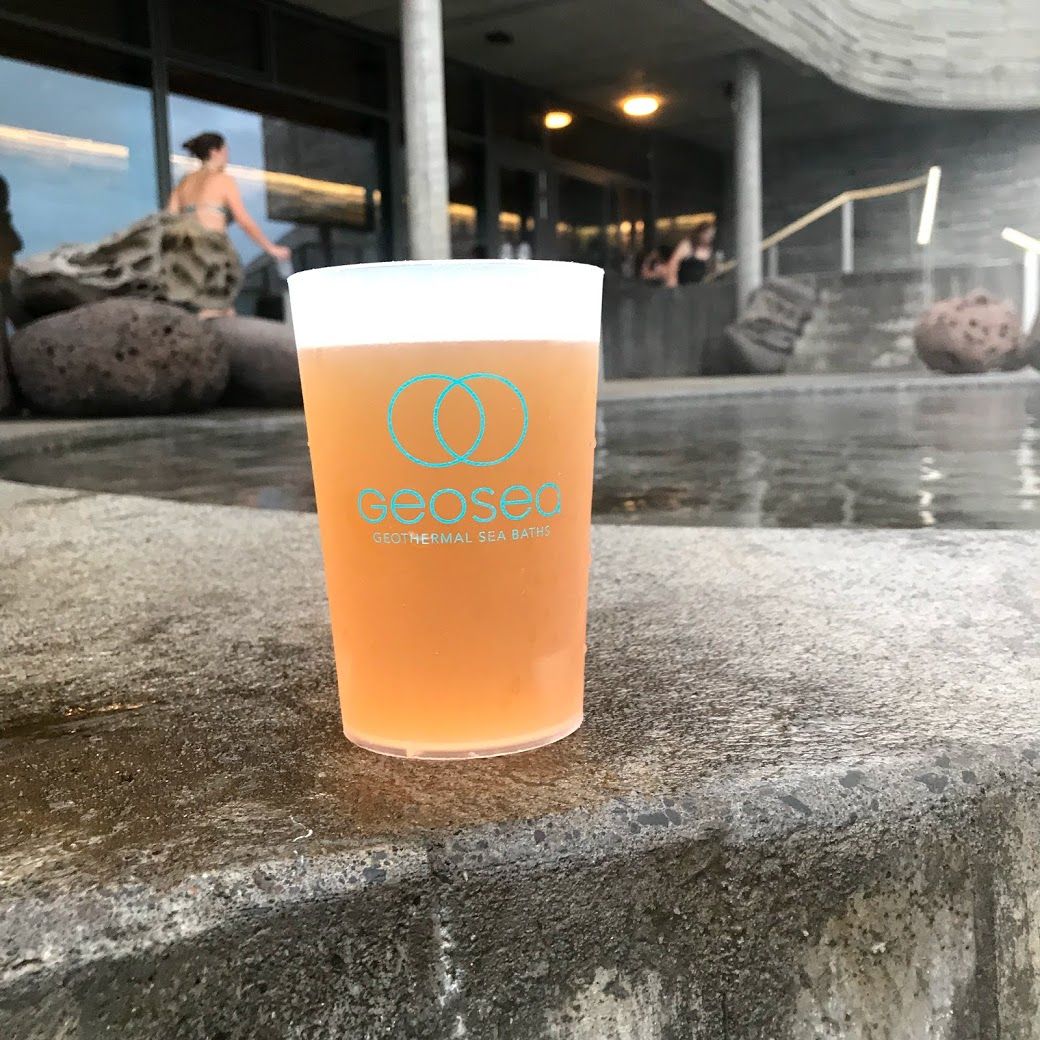
GeoSeaA geothermal sea-bath complex on the cliffs above the harbour, with infinity-edge pools looking out over Skjálfandi Bay.
Culture House (Safnahúsið)The town museum of culture and natural history tells the story of seafaring in the north. Look for the old boats and the stuffed polar bear that came ashore on Grímsey in 1969.
Exploration MuseumA small museum on the history of human exploration, from the Vikings to space missions. Check that it is open before you plan around it.

If you want the stories behind the town, a local guide can walk you round the harbour, church and museums.

See and explore around Húsavík

Húsavík works well as a base. These are the places most visitors add.

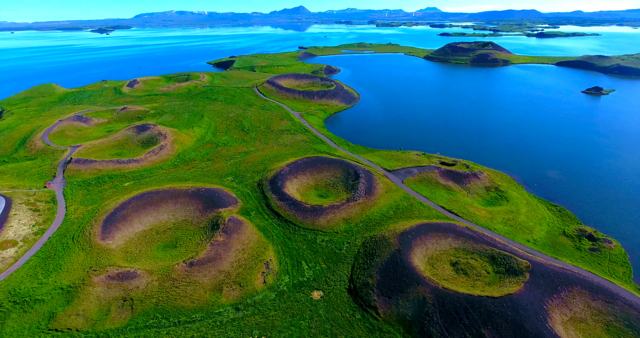
Lake MývatnThe fourth-largest lake in Iceland, under an hour south on Route 87. It is a calm lake dotted with small islands and surrounded by craters, lava and steaming ground. Birdlife is rich, so bring binoculars and a camera, and finish in the geothermal baths by the lake (paid entry).
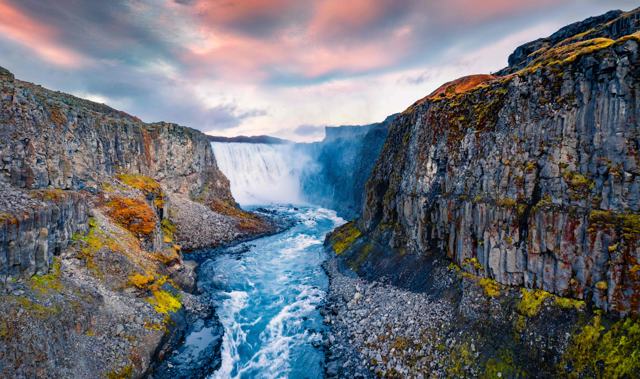
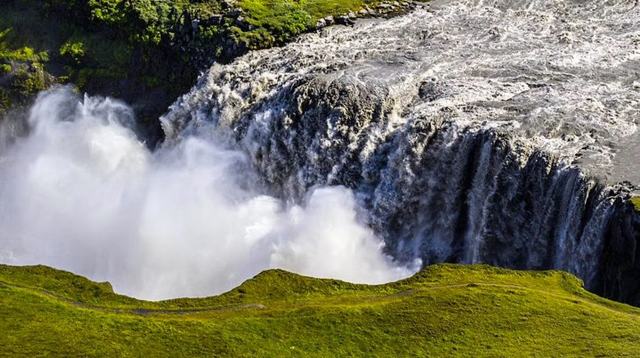
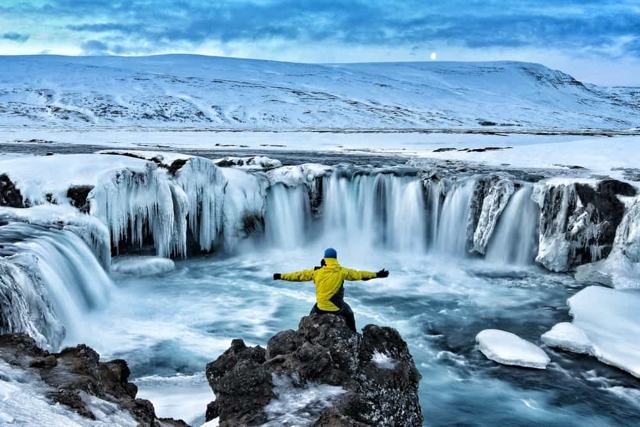
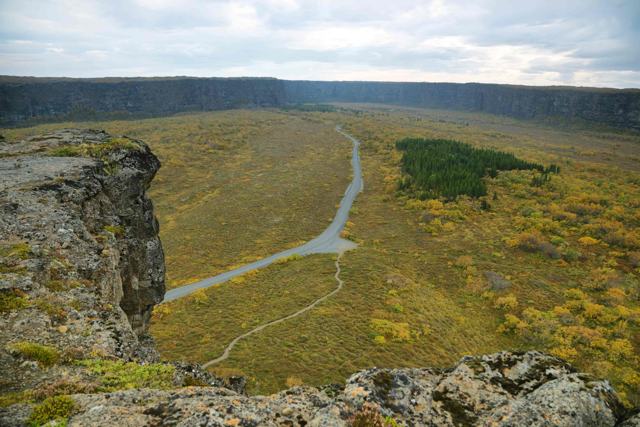
The Diamond CircleThe loop links Húsavík with Goðafoss, Mývatn, Dettifoss and the horseshoe canyon Ásbyrgi. It takes a full day by car.
The goldfish pondA small, naturally warm pond about 2 km south of town where goldfish live. A quick, odd stop.

Best time to visit Húsavík

Summer (June–August)The most whale sightings, long daylight for driving the Diamond Circle, and the busiest time in town.
Winter (November–March)Fresh snow often covers the town, and it looks its best then. Fewer whale tours run and daylight is short, but Northern Lights chances are good and GeoSea is popular in the cold. Follow the forecast closely, because snowstorms are common, and pack a long, warm coat and sturdy boots.

Safety and practical tips

  • Book a whale watching tour in advance in summer, when boats fill up.
  • Wear warm layers even in summer, since the boat trips and the sea baths both mean spending time in wind off the water.
  • Check umferdin.is and vedur.is before driving Route 85 in winter.
  • Combine a visit with the rest of the Diamond Circle rather than treating Húsavík as a single stop.

Facilities and accessibility

Húsavík has hotels, guesthouses, restaurants, cafés, a supermarket, fuel stations and public toilets. GeoSea and the Whale Museum both have their own facilities on site.

On the map

Open in Google Maps →

Nearby places worth a stop

Geothermal Goldfish PondWarm pond with goldfish, a short drive south of town
GoðafossGoðafossWaterfall on the Diamond Circle route towards AkureyriMývatnMývatnVolcanic lake and geothermal area further along the Diamond CircleGeoSeaGeoSeaGeothermal sea baths on the cliffs at the edge of townÁsbyrgiÁsbyrgiHorseshoe-shaped canyon on the Diamond CircleDettifossDettifossThe most powerful waterfall on the Diamond Circle

Where to stay near Húsavík

Húsavík has hotels and guesthouses right in town, making it a good base for a night or two while exploring the Diamond Circle. Akureyri, about an hour away, has a wider range of accommodation if you prefer a larger town.

Húsavík FAQ

Is Húsavík the best place in Iceland for whale watching?

It has one of the best track records in the country because of the sheltered, food-rich waters of Skjálfandi Bay, with tours running most of the year and peak sightings from May to September.

How far is Húsavík from Reykjavík?

About 480 km, around 5.5 hours by car. Most visitors combine it with a longer North Iceland or Diamond Circle trip rather than a day trip.

Can you visit Húsavík without a car?

Seasonal buses run from Akureyri, but services are limited, so most visitors arrive by rental car or organised tour.

Is Húsavík worth visiting outside whale watching season?

Yes. The town, GeoSea baths and Diamond Circle sights are open all year, though whale tours run less often in winter.

What does the name Húsavík mean?

“Bay of houses”. The Book of Settlements says the Viking Garðar Svavarsson built houses here when he wintered in the bay around 870.

Which road goes to Húsavík?

Route 85. It leaves the Ring Road east of Akureyri, and Route 87 from Mývatn joins it south of the town.

See Húsavík with a local

Tours and trips that include Húsavík, booked directly with a local travel agency in Iceland.
Húsavík Whale WatchingDAY TOURHúsavík Whale WatchingFrom 14,036 ISK per personPuffins & Whale Watching from HusavikDAY TOURPuffins & Whale Watching from HusavikFrom 16,490 ISK per personHusavik Whale Watching & PuffinsDAY TOURHusavik Whale Watching & PuffinsFrom 21,990 ISK per personDiamond Circle & Geo SeaDAY TOURDiamond Circle & Geo SeaFrom 38,900 ISK per personNorthern Lights & GeoSea Sea BathsDAY TOURNorthern Lights & GeoSea Sea BathsFrom 49,900 ISK per personDiamond CircleSHORE EXCURSIONDiamond CircleFrom 24,990 ISK per person
More places in North Iceland