Whale watching in Iceland works all year from Reykjavík and Eyjafjörður, and from April to September almost everywhere else. For the best chance of humpbacks, go north to Húsavík, Akureyri or Dalvík; for an easy half day from the capital, sail from Reykjavík's Old Harbour. This guide compares every whale watching tour we sell so you can pick the right harbour, boat and season.
The short answer: which whale watching tour is best?
There is no single best tour, but there is a best tour for you. Here is our quick pick, based on the tours we sell and what we hear back from guests.
- Best for most visitors without a car: Whale Watching from Reykjavík. It leaves the Old Harbour all year, the boat has a heated cabin, and you get a free second trip if no whales or dolphins are seen.
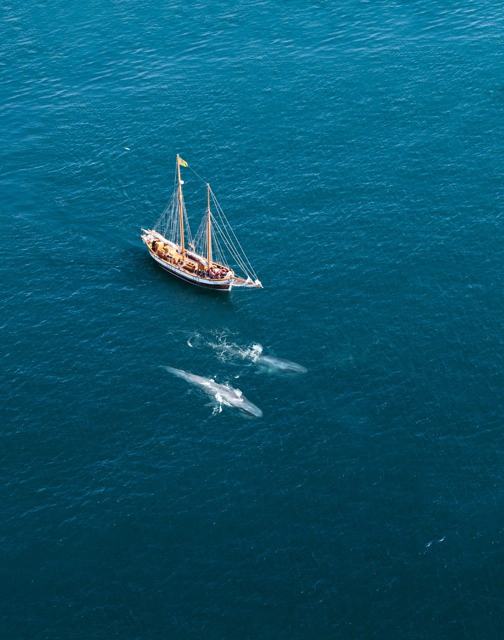
- Best chance of humpbacks: Húsavík Whale Watching on a traditional oak boat in Skjálfandi Bay, or Dalvík Whale Watching in Eyjafjörður.
- Best for thrill seekers: the RIB speedboats from Húsavík and Dalvík, with a maximum of 12 passengers on the Húsavík boat. Minimum age 8.
- Best for families with small children: Whale Watching from Akureyri or the Reykjavík classic tour. Both welcome all ages and have a warm indoor cabin.
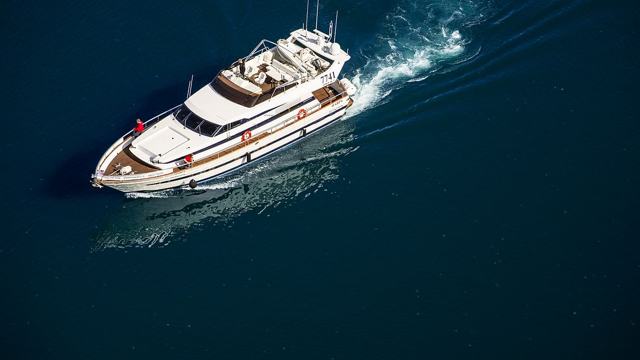
- Best for comfort: the Whale Watching Luxury Tour from Reykjavík on a yacht with heated cabins and blankets.
- Best in winter: the Whale Watching & Northern Lights combo, which runs from September to April and adds an evening aurora cruise.
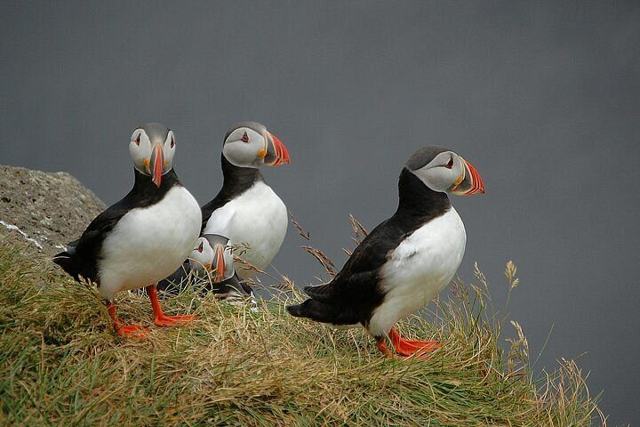
- Best for puffins too: Puffins & Whale Watching from Húsavík (mid-April to mid-August) or Reykjavík Whale Watching & Puffins (May to August).
When is whale watching season in Iceland?
Whales live in Icelandic waters all year, but the main season is April to September, when the sea warms up and humpbacks, minke whales and dolphins come close to the coast to feed. Visit Iceland, the official tourism board, names April to September as the best months, and that is when every harbour on this list has departures.
June and July are the busiest months, with long days and the widest choice of tours, including late-evening sailings under the midnight sun. Late June is also the most likely time for blue whales in Skjálfandi Bay near Húsavík, according to Visit Iceland, although they appear on only a small share of trips.
From October to March the choice narrows but does not disappear. Tours from Reykjavík, Akureyri and Dalvík run all year, weather permitting, and there are fewer boats on the water. Winter seas are rougher, so trips are cancelled more often; keep a spare day in your plans. See our month-by-month guide to the best time to visit Iceland if you are still choosing dates.
Which whales and dolphins can you see?
Around 20 species of whales and dolphins have been recorded around Iceland, but on a normal tour you will see one to three of the regulars. These are the species our tour pages list most often.
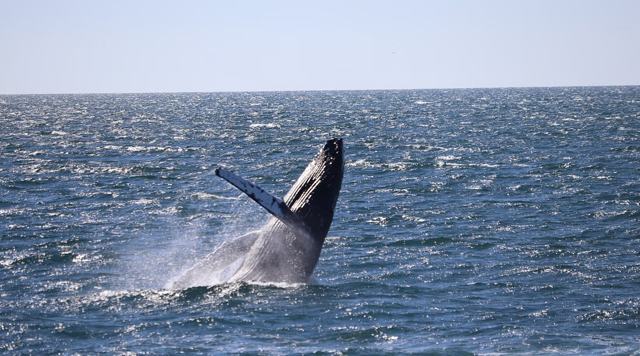
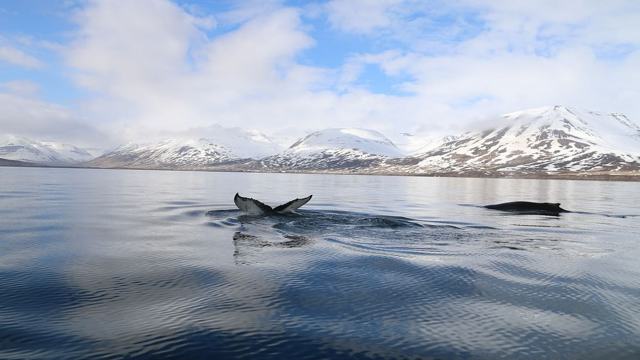
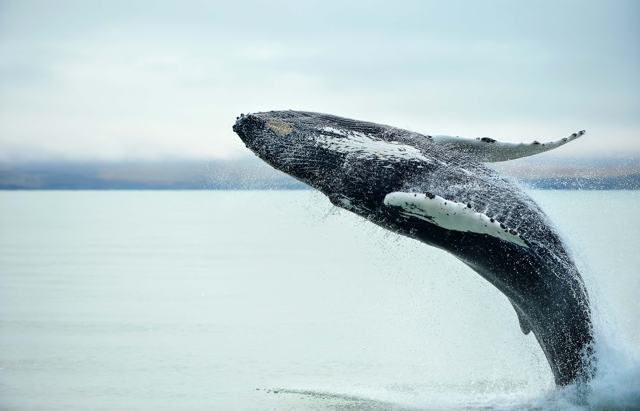
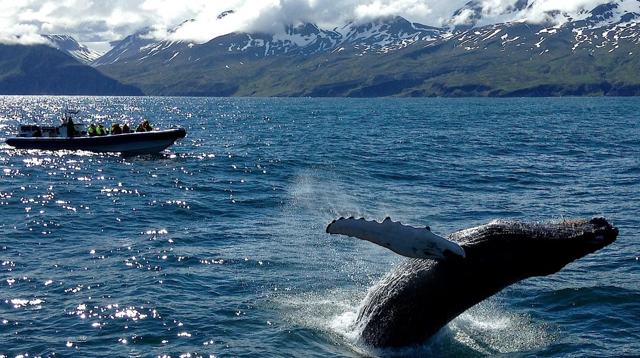
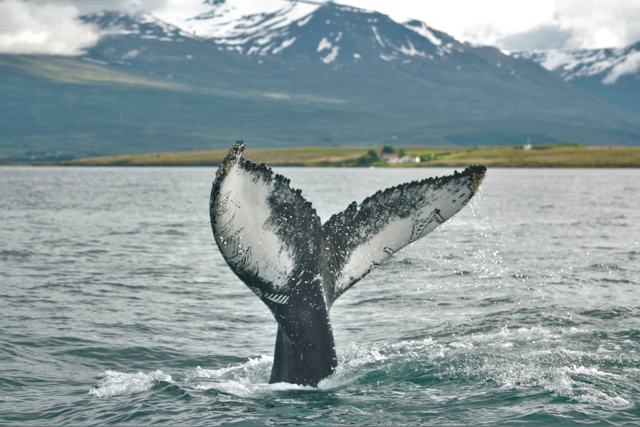
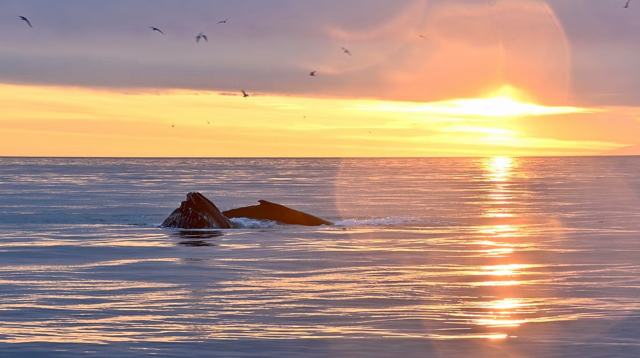
- Humpback whale: the star of North Iceland and the Westfjords, known for lifting its tail before a dive and sometimes breaching. Most common in summer.
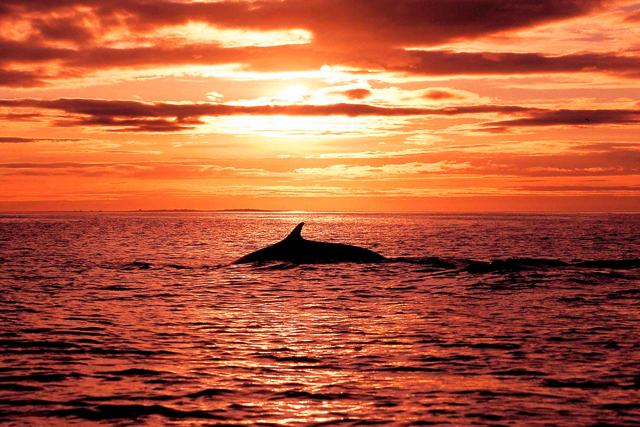
- Minke whale: the most common sighting in Faxaflói Bay off Reykjavík. Small, quick and often curious around boats.
- White-beaked dolphin and harbour porpoise: seen on many trips from Reykjavík, Ólafsvík, Hólmavík and the north.
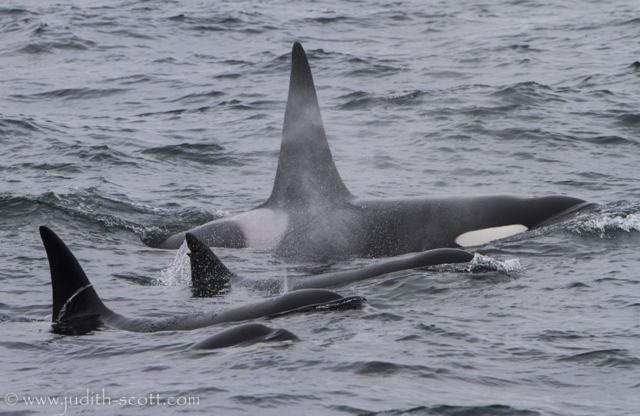
- Orca: seen at times off Ísafjörður, Snæfellsnes and in the north, but never predictable.
- Blue, fin and sperm whales: rare highlights. Blue whales are most likely in Skjálfandi Bay in early summer.
Reykjavík: the easy choice from the capital
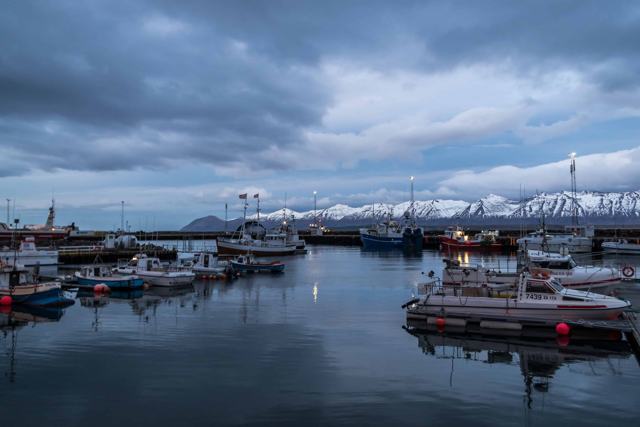
Tours from Reykjavík's Old Harbour sail into Faxaflói Bay and are the easiest to fit into a city break or the start of a self-drive. You can walk to the harbour from most central hotels, and pick-up can be added on several tours. Minke whales, white-beaked dolphins and harbour porpoises are the usual sightings, and humpbacks are possible but less common than in the north.
Our classic Reykjavík tour takes about three hours, runs all year, and includes warm flotation overalls, a heated cabin, Wi-Fi, seasickness tablets and a free second trip if nothing is seen. It suits all ages. The luxury yacht tour covers the same bay in more comfort, with heated cabins, blankets and good access for guests with limited mobility.
In summer, the Midnight Sun Whale Watching leaves in the evening (from about 19:00) and is a calm way to end a long day. The Whale Watching & Puffins tour combines a whale boat with a smaller boat to the puffin islands from May to August.
Want more in one day? The Golden Circle and Whale Watching tour (March to November, about 11 hours) does a morning sailing, then Þingvellir, Geysir and Gullfoss in the afternoon. From September to April, the Whale Watching & Northern Lights combo pairs a daytime whale trip with an evening Northern Lights cruise, and either part can be rebooked if you see nothing. Read more about Northern Lights in Reykjavík.
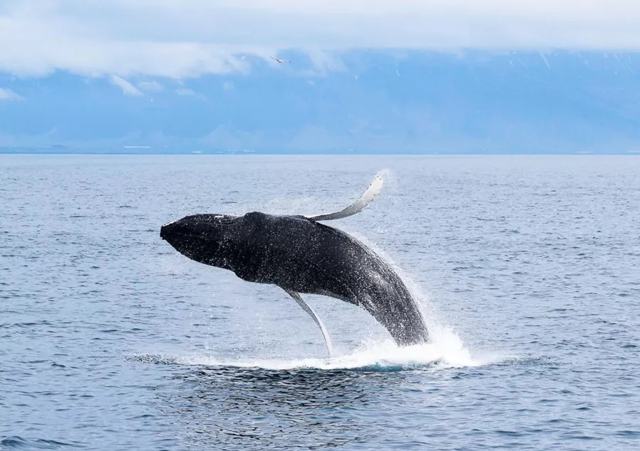
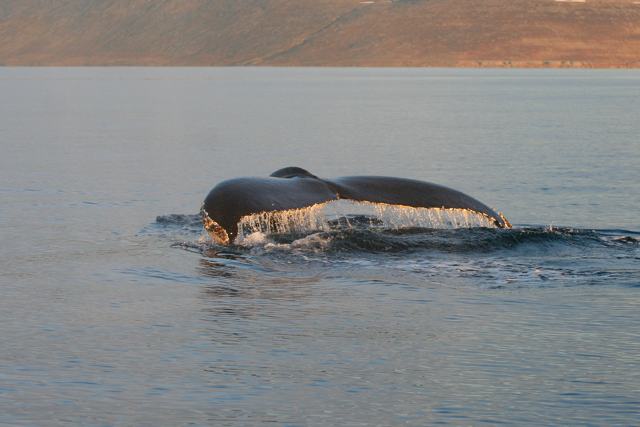
Húsavík: Iceland's whale watching capital
Húsavík on Skjálfandi Bay started whale watching in Iceland and is often called its whale watching capital. Humpbacks are the most common species, white-beaked dolphins and minke whales are regular, and blue whales turn up in some summers. The classic tour reports an average sighting rate of over 97% across three decades, though no wildlife can be guaranteed.
You have three choices. The classic Húsavík tour uses a traditional oak boat with viewing decks, runs daily from 1 March to 30 November, lasts about three hours and ends with hot chocolate and cinnamon cookies. Children under 7 go free. The Puffins & Whale Watching tour (about 3.5 hours, mid-April to mid-August) adds a stop at Puffin Island. The RIB tour is fast and low on the water, takes up to 12 passengers, visits Puffin Island and then heads out into the bay in about two hours.
Húsavík is about 75 km from Akureyri and fits well into a North Iceland trip with Mývatn, Dettifoss and Ásbyrgi. There is no pick-up for these tours, so you need a car or a multi-day tour that stops in town.

Akureyri and Dalvík: whales in Eyjafjörður
Eyjafjörður is Iceland's longest fjord, and humpbacks often feed deep inside it, close to Akureyri. That makes these tours some of the shortest sailing times to whales in the country, and the sheltered water is usually calmer than the open bays.
The Whale Watching from Akureyri tour leaves from the Oddeyrarbót pier in town, runs all year (fewer departures in winter), lasts about three hours and has a heated indoor saloon. If no wildlife is seen you get a free second try. It is a good choice for cruise passengers and families, as all ages are welcome.
From Dalvík, about 40 minutes north of Akureyri, the classic Dalvík tour runs all year, weather permitting, with hot drinks, flotation coveralls in children's sizes and a free ticket for another trip if no whales or dolphins are seen. The Express RIB tour from Dalvík takes about two hours including the safety briefing, with roughly an hour on the water, and has a minimum age of 8.
Combining sights? The Diamond Circle tour (June to October, from Akureyri or Mývatn) visits Goðafoss, Dettifoss, Ásbyrgi and Húsavík in one day, so it pairs well with a whale trip on another day. Cruise passengers can add the Goðafoss & Lake Mývatn shore excursion (May to September) or browse our Akureyri shore excursions.
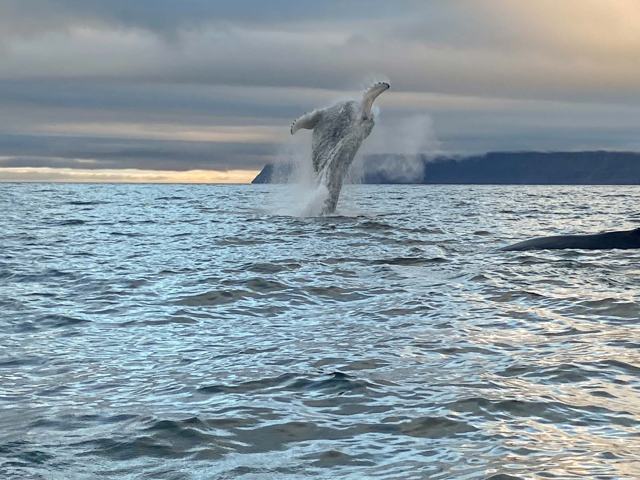
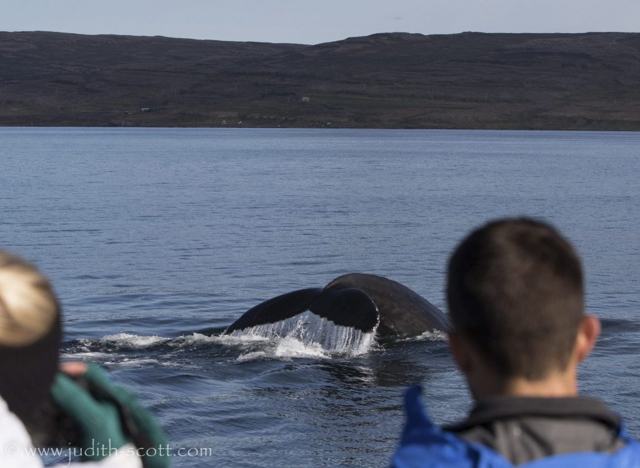
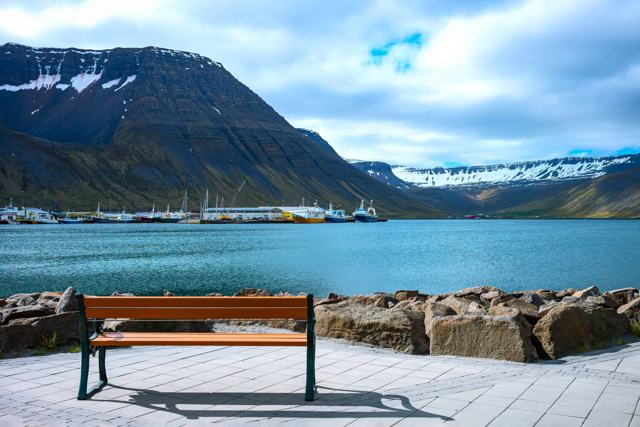
The Westfjords: Ísafjörður and Hólmavík
The Westfjords are quieter, with fewer boats and dramatic fjord scenery. Humpbacks are the main sighting, with minke whales, dolphins and the occasional orca.
From Ísafjörður, the Ísafjarðardjúp whale watching tour runs from late May to mid-September (24 May to 19 September in 2026) on a small boat with a warm cabin and open deck, for about 2.5 hours. Overalls are not included, so dress warmly, and the minimum age is 4. The family-friendly Ísafjörður tour is listed as running all year, needs at least 12 guests to sail and suits all ages.
Further east, the Hólmavík whale watching tour on Steingrímsfjörður runs from 1 May to 30 September, lasts about two hours, includes warm overalls and a free ticket for another trip if no whales or dolphins are seen. Hólmavík is a good stop on the drive into the Westfjords.
Planning a longer loop? The 3-Day Westfjords Tour from Reykjavík (June to September) covers Látrabjarg, Dynjandi and the fjords and stays a night in Ísafjörður; whale watching is not included, but you can ask us about adding it. See all our Westfjords tours.
Snæfellsnes and the Westman Islands
From Ólafsvík on the Snæfellsnes peninsula, the Ólafsvík whale watching tour runs from mid-February to the end of September, with two daily departures, and lasts 2–3.5 hours. Minke whales, porpoises and seabirds are the usual sightings, and there is a free ticket for another day if no whales are seen. It pairs well with a day on the peninsula; see our Snæfellsnes tours.
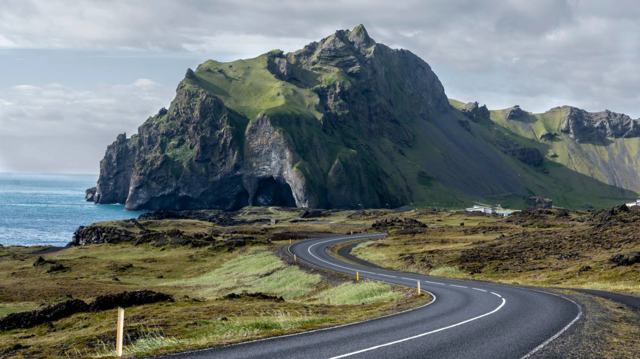
In the Westman Islands, the 1.5-hour boat tour to Elephant Rock is mostly about cliffs, caves and seabirds, with whales a possible bonus rather than the main goal.

RIB or classic boat?
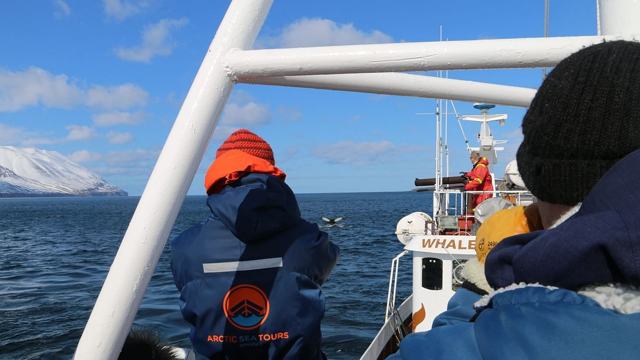
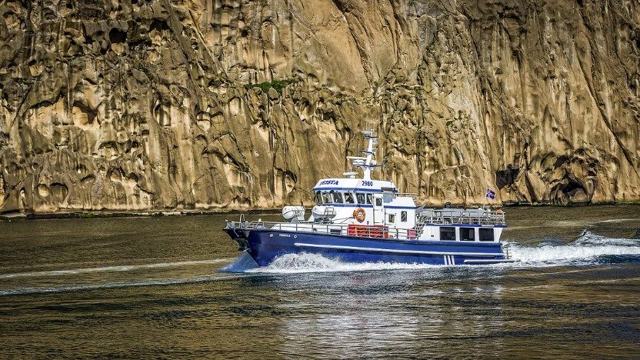
Classic boats (oak boats, larger tour boats and yachts) are slower and steadier, have indoor cabins and toilets, and usually welcome all ages. They are the better choice for families, anyone prone to seasickness and photographers who want a stable deck.
RIBs (rigid inflatable boats) are fast, open and low on the water, so you are closer to the whales and reach them sooner. Groups are small, but there is no shelter, the ride can be bumpy, and our RIB tours have a minimum age of 8 and are not suitable for pregnant travellers or people with back or heart problems. Trips are about two hours instead of three.
How to choose your whale watching tour
Start with where you will be. If you are based in Reykjavík without a car, a Reykjavík tour is the only realistic option, and it is a good one. If your trip includes the north, plan your whale watching there: humpbacks are more common, and Eyjafjörður and Skjálfandi Bay are usually calmer than Faxaflói.
Next, think about time of year. In summer you can choose any harbour and add puffins. From October to March, stick to Reykjavík, Akureyri or Dalvík, keep a spare day, and consider the Northern Lights combination.
Then pick the boat that suits your group, and check what happens if you see nothing. Most of our tours from Reykjavík, Akureyri, Dalvík, Ólafsvík and Hólmavík give a free second trip if no whales or dolphins are seen; the tour page always shows the exact terms.
Seeing North Iceland on a package or self-drive? Our tour packages and self-drive trips can include a whale watching day, and our trip planner lets you add a tour to any itinerary.
What to wear and bring
It is always colder on the water than on land, even in July. Most boats lend overalls, but not all do (the Ísafjarðardjúp tour does not), so check the tour page.
- Warm base layer and a fleece or wool jumper
- Waterproof jacket, hat, gloves and scarf
- Shoes with good grip
- Camera or binoculars, with a waterproof cover
- Sunglasses to spot blows on bright days
- Seasickness tablets if you need them
Tours to book
These are the whale watching tours we recommend most often.
- Húsavík Whale Watching: the classic oak-boat trip in Iceland's whale watching capital, March to November.
- Whale Watching from Reykjavík: all year from the Old Harbour, with a free second trip if no whales or dolphins are seen.
- Dalvík Whale Watching: year-round humpback trips in calm Eyjafjörður.
- Whale Watching & Northern Lights: whales by day and the aurora by night, September to April.
Questions people ask
What is the best month for whale watching in Iceland?
June and July give the widest choice of tours and the best chance of humpbacks, and late June is the most likely time for blue whales near Húsavík. The main season is April to September.
Can you go whale watching in Iceland in winter?
Yes. Tours from Reykjavík, Akureyri and Dalvík run all year, weather permitting. Trips are cancelled more often in winter, so keep a spare day.
Is Húsavík or Reykjavík better for whale watching?
Húsavík usually has more humpbacks and calmer water. Reykjavík is far easier to reach and is the best option if you are not travelling to North Iceland.
Are whale sightings guaranteed?
No wildlife can be guaranteed, but sighting rates are high. Many of our tours offer a free second trip if no whales or dolphins are seen; each tour page shows the terms.
Is whale watching in Iceland suitable for children?
Yes, on classic boats. Tours from Reykjavík, Akureyri, Húsavík and Dalvík welcome all ages. RIB tours have a minimum age of 8.