For a winter trip to Iceland, pack for wind and wet as much as for cold. The essentials are a waterproof, windproof jacket and trousers, wool base layers, a warm mid-layer, insulated waterproof boots, ice cleats, a hat and gloves, and a swimsuit for the hot pools. This list covers everything you need from about November to March, plus extras for Northern Lights nights, winter driving and tours.
Winter weather in Iceland: temperature, wind and daylight
Winter in Iceland is milder than most people expect, but it is rarely comfortable without the right clothes. In Reykjavík the average high from December to February is about 3°C and the average low about −2°C, so most days sit close to freezing. North Iceland and inland areas are colder, and the south coast is often milder but wetter.
The wind is what makes it feel cold. Storms bring gales, sleet, rain and blowing snow, sometimes in the same day, and Reykjavík sees rain or snow on about half the days in midwinter. A calm, clear day can turn wild within hours. That is why a windproof and waterproof outer layer matters more than a very thick coat.
Days are short. The shortest day in December has just over 4 hours between sunrise and sunset in Reykjavík, rising to about 7 hours by the end of January and about 10 by the end of February. Long twilight adds usable light, but you will spend a lot of time outside in the dark, so pack a head torch. Our daylight hours guide has figures for every month.
The layering system
Icelanders dress in three layers, and you will be warmer and more comfortable if you do the same. You can add or remove a layer as you move between a heated bus, a windy viewpoint and a warm café.
The base layer sits next to the skin and keeps you dry. The mid-layer holds in heat. The outer shell keeps out wind, rain and snow. Avoid cotton, including jeans and cotton hoodies. Cotton soaks up sweat and rain, stays wet and makes you cold.
Outer layer: jacket and trousers
- Waterproof, windproof jacket with a hood. Either an insulated winter jacket or a lighter shell you wear over a warm mid-layer. The hood should fit over a hat and close well around your face.
- Waterproof trousers. Many visitors forget these. Wool or ordinary trousers soak through in sleet and wind. Shell over-trousers that you can pull on over your normal trousers are the most flexible choice, and insulated ski or snow trousers work well for snowmobile days and Northern Lights nights.
- A long, warm coat for town. Optional. A long down or synthetic coat is comfortable in Reykjavík, but for waterfalls, beaches and glaciers you need something waterproof.
Mid-layers: fleece, wool and down
- A fleece jacket or pullover, which is light, warm and dries fast
- A wool jumper. The Icelandic lopapeysa is made from local sheep's wool, which is warm and sheds light rain and snow. Many visitors buy one here. Read our guide to the lopapeysa
- A light down or synthetic insulated jacket or vest, which packs small and adds a lot of warmth under your shell on very cold days
- One or two warm shirts or long-sleeved tops for evenings indoors. A flannel shirt works well as a light extra layer
Base layers: wool is best
Thermal base layers are the most important part of a winter kit. Merino wool is the best choice, because it stays warm when damp and does not smell after a day of wear. Good synthetic thermals are a cheaper alternative.
- Two or three thermal tops, long-sleeved
- Two pairs of thermal leggings or long johns
- Fleece-lined leggings or warm trousers to wear under your waterproof trousers
- Normal underwear, preferably not cotton for long days outside, and a couple of pairs more than you think you need
Footwear and ice cleats
Your boots matter more than anything else. Choose insulated, waterproof boots with ankle support and a deep, grippy sole. Hiking boots with room for a thick wool sock work well. Fashion boots, trainers and smooth soles are dangerous on ice.
Paths, car parks and pavements are often covered in hard, polished ice, especially at popular waterfalls and in towns outside Reykjavík. A pair of ice cleats or microspikes that slip over your boots is one of the most useful things you can pack. They are small, light and cheap, and they prevent a lot of falls.
- Insulated, waterproof winter or hiking boots, worn in before the trip
- Ice cleats or microspikes that fit your boots
- Light shoes or slippers for your hotel or guesthouse; Icelanders take their shoes off indoors
- Flip-flops or pool sandals for swimming pools and lagoons
Hat, gloves, scarf and socks
- A warm wool or fleece hat that covers your ears. A jacket hood alone is not enough in strong wind
- Waterproof gloves or mittens, plus a thin pair of liner gloves that work with your phone and camera
- A spare pair of gloves, as wet gloves get cold fast
- A buff, neck gaiter or scarf. A buff is easier in the wind and does not blow around
- Several pairs of warm wool socks, including a thick pair for cold nights outside
- Sunglasses. The winter sun is low all day, and glare from snow and wet roads can be blinding
Swimwear for hot pools and lagoons
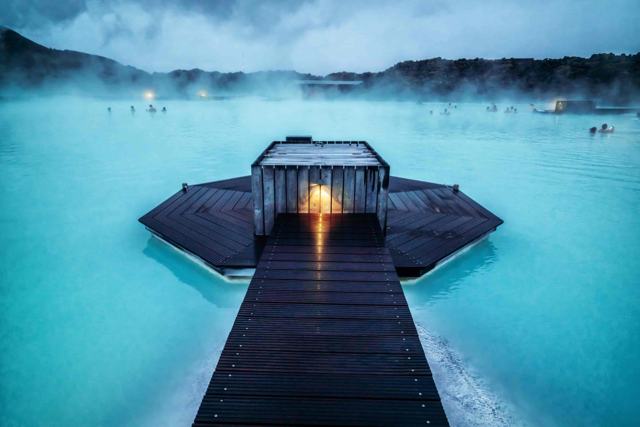
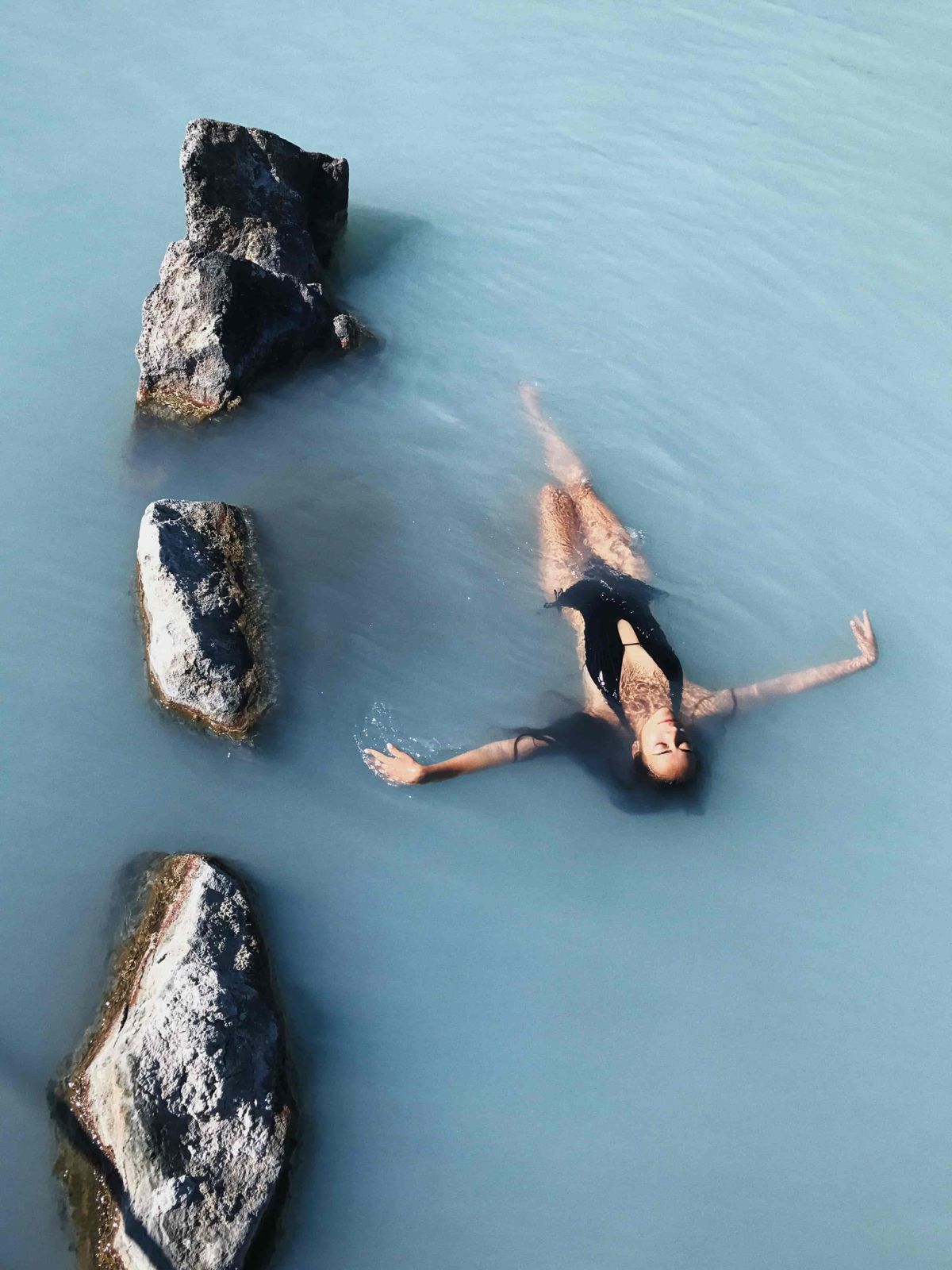
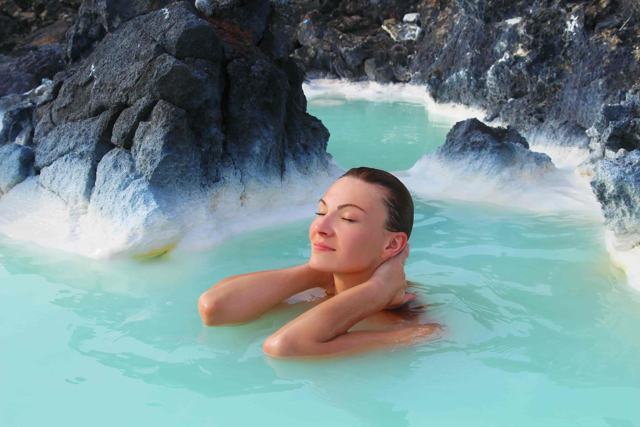
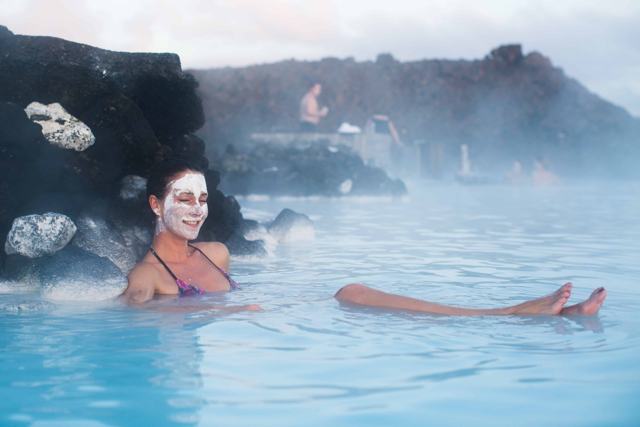
Bathing in warm geothermal water while snow falls is one of the best parts of a winter trip, so do not leave your swimsuit at home. Pack swimwear, a quick-dry towel and flip-flops for the walk from the changing room to the pool, which can be icy.
At all public pools and lagoons you must shower without swimwear before you get in. Popular options include the Blue Lagoon, Sky Lagoon, the Secret Lagoon and the nature baths at Mývatn. Every town also has a cheap public pool. Compare the two biggest lagoons in our Sky Lagoon vs Blue Lagoon guide, or browse hot spring tours.
Northern Lights night kit
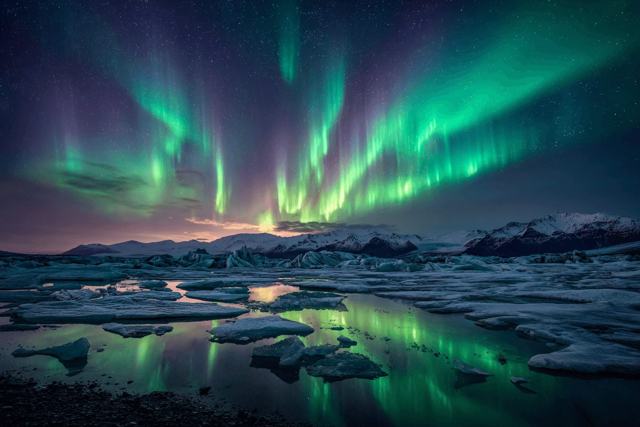
Aurora hunting means standing still outside at night, often for an hour or more, and it feels much colder than walking in the daytime. Put on every layer you have, including insulated trousers.
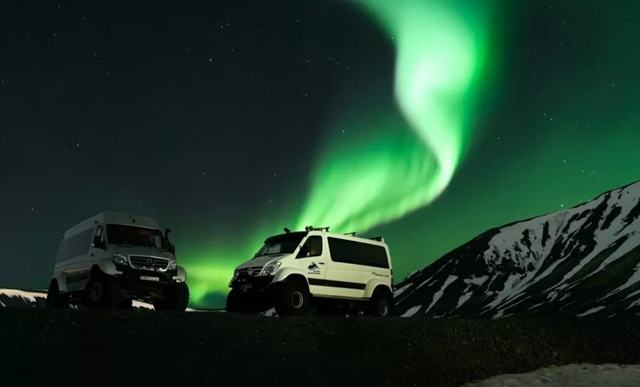
The limiting factor for the lights is cloud, not darkness, so plan several nights if you can. A guided Northern Lights tour, such as our Northern Lights super jeep tour, saves you driving on icy roads at night. Our Northern Lights guide explains when and where to look.
- An extra warm layer and insulated trousers
- Hand and toe warmers
- A flask for a hot drink
- A tripod and a camera with manual settings for photos
- Spare camera and phone batteries, kept in an inside pocket, as the cold drains them fast
- A head torch, ideally with a red-light setting so you do not spoil other people's night vision
Electronics and power
- Camera that fits in your day bag, with a tripod for long-exposure Northern Lights shots. A small action camera is handy for snowmobiling and snorkelling
- Plug adapter for type C or F sockets. Iceland uses two-pin European plugs at 230 V
- Power bank for long days out, when the cold drains phone batteries
- 12 V car charger or USB cable for the car if you self-drive
- Phone with offline maps downloaded, as signal can be patchy in remote areas
- A small multi-socket extension lead, as hotel rooms often have few sockets
- Waterproof phone pouch or dry bag for waterfalls and boat trips
If you plan to drive in winter
You can self-drive in winter, but it needs care and flexibility. Rental cars come with winter tyres, and a 4×4 is a sensible choice outside Reykjavík. The Ring Road is cleared regularly, but ice, blowing snow and strong winds are common, and roads and mountain passes can close at short notice. The highland roads are closed all winter.
Check road conditions on road.is and the weather on vedur.is every morning, and read the alerts on safetravel.is. In an emergency, call 112. If you would rather not drive, winter Ring Road tours and 2- and 3-day tours let a local driver handle the roads. Our 8-day winter Iceland tour goes all the way around, and our 5-day winter package covers the Golden Circle, the South Coast and Snæfellsnes.
- Sunglasses for the low sun
- Snacks, water and a flask for long drives between towns
- A warm blanket or spare layer in the car in case you are stuck waiting for a road to open
- Your driving licence and the credit card used for the booking
- Check that the rental car has an ice scraper and snow brush before you drive off
Toiletries and health
The cold, windy air is very drying. Tap water in Iceland is clean and safe to drink, so bring a reusable bottle instead of buying water. The hot water in many areas is geothermal and can smell slightly of sulphur. It is safe and normal.
- Lip balm and a rich moisturiser
- Sun cream for glacier days and bright snow
- Reusable water bottle
- Your regular medicines and a small first-aid kit with plasters and painkillers
- Travel-sized toiletries in refillable bottles, in a hanging wash bag: shampoo, conditioner, face and body wash. Shops sell everything, but prices are high
- Eye mask and earplugs if you are a light sleeper
Daypack and small extras
You will be in and out of a car or bus all day, so keep the things you need to hand in one small bag.
- A daypack of about 20–30 litres with a rain cover, or a dry bag inside it, for excursions and day tours
- A thermos flask for coffee, tea or hot chocolate
- A packable quick-dry towel, so you can stop at a pool or hot spring whenever you pass one
- A small torch or head torch for dark car parks and paths
- A travel pillow for long drives and the flight
- Passport, travel insurance details, booking confirmations and driving licence, with copies on your phone
- One smarter outfit and a pair of shoes if you want a night out. Reykjavík has good restaurants and a lively nightlife, and people dress up a little at weekends
Extra kit for winter tours
Most tour operators provide the specialist gear. What you bring is warm, waterproof clothing and good boots. Check the kit list in your booking confirmation, as it varies by tour.
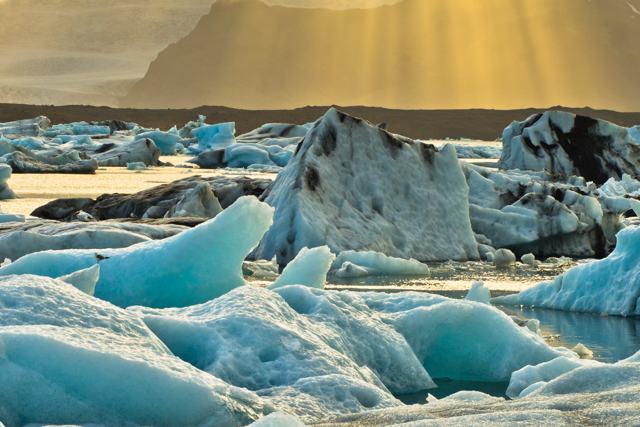
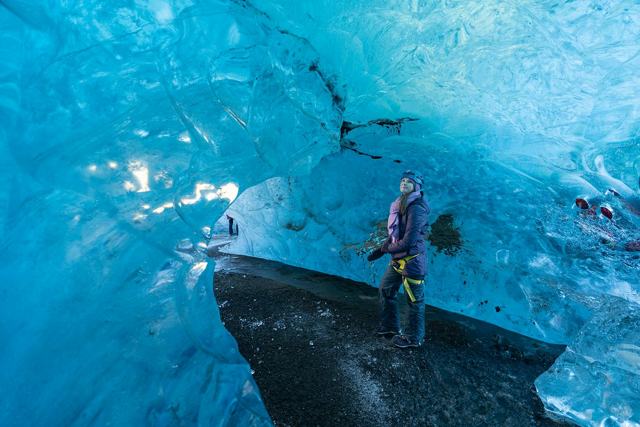
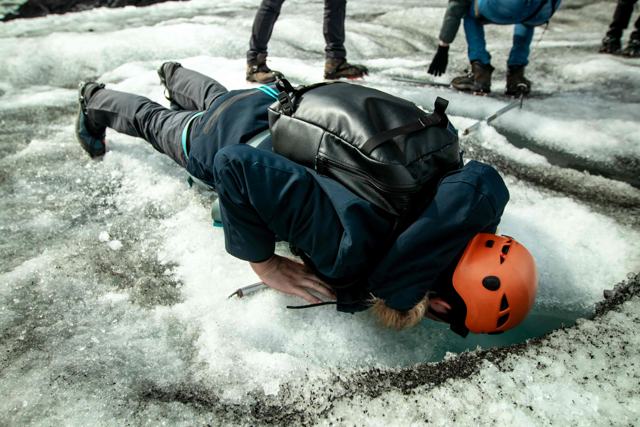
- Glacier walks and ice caves: guides provide crampons and a helmet. Wear waterproof trousers, warm layers, gloves and sturdy, ankle-high boots. Trips to the natural ice caves in Vatnajökull usually run from about November to March. See our ice cave tours, such as the Crystal Ice Cave tour, and glacier hiking tours, for example on Sólheimajökull.
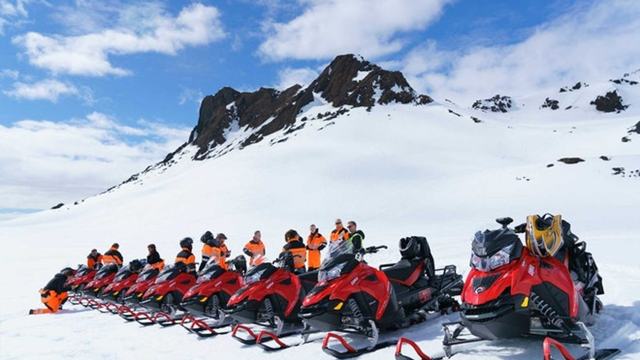
- Snowmobiling: wear warm base layers, a hat or balaclava under the helmet, and warm gloves. See our snowmobile tours, such as the Langjökull snowmobile tour.
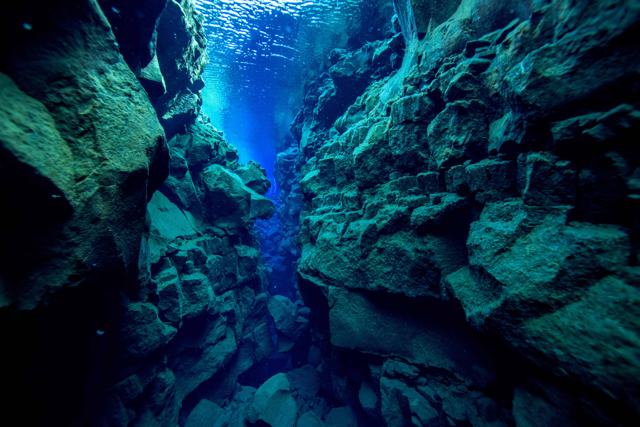
- Snorkelling in Silfra: you wear a dry suit over warm layers, and the water in Silfra is cold all year. Bring thermals and wool socks to wear underneath, and a warm hat and dry clothes for afterwards. See our snorkelling and diving tours.
- Horse riding: Icelandic law protects the country's horses from foreign diseases. Used saddles, bridles and other riding equipment, and used riding gloves, are not allowed into Iceland. Used riding clothes and boots must be machine-washed or dry-cleaned before you travel. Riding tours normally provide helmets and tack. See our horse riding tours.
What not to pack
- An umbrella. The wind will turn it inside out, and a good hood does the job better
- Jeans and cotton clothes for outdoor days
- Lots of shoes. One pair of winter boots and one pair of light indoor shoes is enough
- Heavy crampons or snow shoes. Tours provide what you need, and ice cleats cover the rest
- Too many outfits. You will wear the same warm layers most days, and most hotels and guesthouses have laundry or are near one
Forgot something? Buying gear in Reykjavík
If you arrive without the right clothes, you can buy them in Reykjavík. Laugavegur and the streets around it have outdoor clothing shops and wool shops, and the Kringlan and Smáralind shopping centres have high street shops. Many petrol stations and supermarkets sell basic items such as hats, gloves and ice cleats. For a tighter budget, there are second-hand and charity shops in and around the city centre where you can pick up jumpers, hats and socks. Prices in ordinary shops are higher than in most of Europe, so bring what you can from home.
A wool jumper, hat or pair of mittens also makes a good souvenir. See our guide to the best souvenirs from Iceland.
Quick winter checklist
Use this as a final check before you close your suitcase.
- Waterproof, windproof jacket with a hood
- Waterproof trousers
- Fleece or wool jumper and a light insulated jacket
- Thermal base layers, top and bottom
- Insulated waterproof boots and ice cleats
- Warm hat, buff, waterproof gloves and liner gloves
- Wool socks, several pairs
- Swimwear, quick-dry towel and flip-flops
- Sunglasses, lip balm and moisturiser
- Head torch, power bank, plug adapter and car charger
- Tripod and spare batteries for Northern Lights photos
- Passport, driving licence, insurance details and copies of bookings
Book your winter tours
Once you are packed, the winter months offer things you cannot do in summer. As a local travel agency in Iceland, we list Northern Lights tours, ice cave tours, Golden Circle tours and South Coast tours to Reynisfjara and Jökulsárlón. Keep a spare day in your plan in case a storm cancels a tour.
If you want somewhere to start, these make good use of a winter packing list.
For month-by-month detail, read Iceland in November, December, January, February and March. For summer trips, see our general Iceland packing list. Travelling with children or a tent? Read our kids' packing list and camping packing list.
All our trips for this season are on one page: Iceland winter tours.
- 8 Day Iceland Tour (winter): the whole country in winter, with no icy roads to drive yourself.
- Crystal Ice Cave in Iceland: a natural ice cave in Vatnajökull, only possible in the colder months.
- Northern Lights Super Jeep: a guided aurora hunt, so your warm layers finally earn their place.
Questions people ask
What should I wear in Iceland in winter?
Three layers: a wool or synthetic base layer, a fleece or wool mid-layer, and a waterproof, windproof jacket and trousers. Add insulated waterproof boots, a warm hat, gloves and a buff. Avoid cotton.
Do I need ice cleats in Iceland in winter?
They are strongly recommended. Paths and car parks at waterfalls and in towns are often icy. Slip-on ice cleats are light and cheap. Glacier and ice cave tours provide proper crampons.
How cold is Iceland in winter?
Milder than many expect. In Reykjavík the average high from December to February is about 3°C and the average low about −2°C. The north and inland are colder, and the wind makes it feel much colder.
Should I bring a swimsuit to Iceland in winter?
Yes. Geothermal pools and lagoons are open all year, and bathing in warm water in the snow is a highlight of a winter trip. Bring flip-flops and a quick-dry towel too.
Can I bring my own horse riding gear to Iceland?
Used saddles, bridles and other tack, and used riding gloves, are not allowed. Used riding clothes and boots must be machine-washed or dry-cleaned before you travel. Riding tours normally provide helmets and tack.