Iceland Travel Guide logo Iceland Travel GuideLOCAL TRAVEL AGENCY IN ICELAND My trip Talk to a local

Grímsfjall hot spring on Vatnajökull

VatnajökullHot springGuide requiredExpedition only
GRÍMSFJALL HOT SPRING IN SHORT

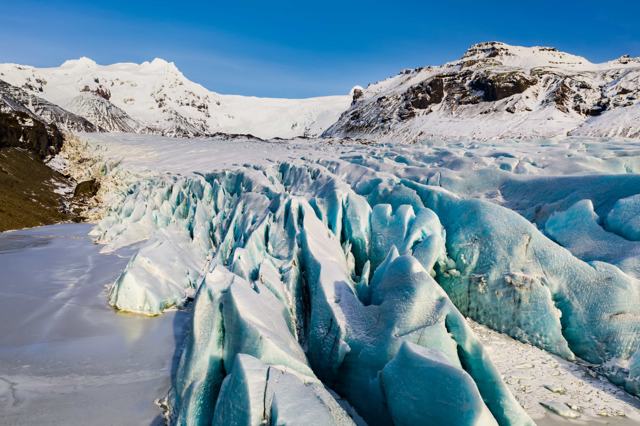
Grímsfjall is a mountain on the western part of Vatnajökull glacier, at about 1,725 metres above sea level, where geothermal heat from the Grímsvötn volcano warms the ground and a small hot spring. It is in Vatnajökull National Park and is only for experienced glacier travellers or people going with a qualified mountain guide. There is no road and no public transport.

ON THIS PAGE
Quick factsHistoryGetting thereStayingGeothermal heatBest time to visitSafety tipsFacilitiesMapNearbyWhere to stayFAQ

About Grímsfjall hot spring

Grímsfjall sits on the rim of the Grímsvötn caldera, the most active volcano in Iceland, under the ice of Vatnajökull. The heat from below keeps parts of the mountain free of snow and warms water in small pools. The mountain has two peaks, Eystri and Vestari Svíahnúkur. Nobody knows for certain where the name comes from. The mountain has been hit by several eruptions of its neighbour.

This is not a spa or a normal hot spring stop. The place is high on an ice cap with hidden crevasses, sudden storms and no help nearby. It is used mainly by scientists, glacier guides and mountain travellers, and it is visited on organised trips by snowmobile, super jeep or ski. The huts on the mountain belong to the Iceland Glaciological Society and are used for research.

Quick facts

ElevationAbout 1,725 m above sea level
GPS64.40688, -17.26599
LocationGrímsfjall mountain, western Vatnajökull
ProtectedInside Vatnajökull National Park
VolcanoGrímsvötn, the most active volcano in Iceland
HutsTwo huts run by the Iceland Glaciological Society, built in 1957 and 1987, plus a small service building from 1994
AccessGlacier travel only, with an experienced party or a qualified guide
Best seasonLate spring and summer
EntryNo fee known; overnight stays in the huts need prior agreement

A volcano under the ice

Grímsvötn is a caldera lake covered by ice. Heat from the volcano melts the ice from below, and the meltwater collects in the caldera. Every few years the lake drains in a glacial outburst flood, called a jökulhlaup, that runs down the Skeiðarársandur plain. The volcano has also erupted many times, including in 2011.

The Glaciological Society built its first hut on Grímsfjall in 1957 for research on the ice cap, with measuring equipment and a small geothermal power station. A second hut followed in 1987.

How to get to Grímsfjall hot spring

On a guided tripThe realistic way to go. Glacier guides run expeditions to Grímsfjall by snowmobile, super jeep or ski from the edge of Vatnajökull. Ask the operator about the season, the party size and whether the hot spring is part of the trip.
Under your own steamOnly for well-equipped, experienced glacier travellers with rope, crevasse rescue skills, GPS and emergency communication. Leave a travel plan with SafeTravel (safetravel.is).
By car or public transportThere is no road to Grímsfjall and no public transport. The trip starts on the glacier edge, often reached by a highland track.

Ice caps in Iceland have crevasses hidden under snow, and weather on Vatnajökull can change within an hour. Do not attempt this without proper training and equipment.

How to get permission to stay at Grímsfjall

The huts on Grímsfjall are a research base and not a public mountain hut, so a stay takes planning.

Ask before you goThe huts are kept locked. If you want to stay, you need an agreement with the Iceland Glaciological Society (Jöklarannsóknafélag Íslands, jorfi.is) well in advance. Parties that arrange it beforehand are usually given access.
The hutsThe first hut dates from 1957 and the second from 1987. The newer one sleeps up to 24 people. A small building with fuel storage and a toilet was added in 1994, which is why some descriptions count three cabins.
Who should goTravel on the glacier only if you are experienced or are with a highly skilled mountain guide. The huts were built as a base for research expeditions, and those come first.
What to packGo through your kit list before you leave and pack for a trip where you depend on nobody else: glacier safety gear, navigation, a warm sleeping bag, food, fuel and spare clothing.

Why there is hot water on a glacier

The ground at Grímsfjall is far warmer than the air around it. Meltwater and groundwater seep down towards the magma under Grímsvötn, heat up, and come back to the surface as steam and warm water. How hot a spring like this gets depends on three things: how close the magma is, how fast the water flows, and how much cold water mixes in on the way up. On an ice cap there is plenty of cold meltwater, so conditions vary.

Iceland has a long bathing culture, and a soak in warm water on a cold, snowy day is a big part of it for locals and visitors in every season. If that is what you are after, the well-known bathing places such as the Blue Lagoon, Earth Lagoon and the Secret Lagoon are far easier and safer choices. Grímsfjall is a place to see geothermal heat at work in the middle of an ice cap, as part of an expedition.

Best time to visit Grímsfjall hot spring

Spring and summer (April–August)The main travel season on the ice cap. Longer days and firmer snow make trips possible, though conditions still vary.
Autumn and winter (September–March)Short days, strong storms and deep snow make travel very difficult and dangerous.

Safety and practical tips

  • Go only with a qualified glacier guide unless you have real ice-cap experience.
  • Register your trip on safetravel.is and carry a satellite messenger or other reliable communication.
  • Pack for arctic conditions in any month. It is cold and windy at 1,700 metres.
  • Take all food, water and gear with you. Nothing is available on the mountain.
  • Overnight stays in the Glaciological Society huts need prior agreement. Do not assume the huts are open.

Facilities and accessibility

There are no public facilities. The huts belong to the Iceland Glaciological Society and are locked unless you have arranged access in advance.

On the map

Open in Google Maps →

Nearby places worth a stop

VatnajökullVatnajökullEurope’s largest glacier by volumeVatnajökull National ParkVatnajökull National ParkOne of Europe’s largest national parksSkaftafellSkaftafellHiking area on the southern edge of the parkGrænalónGrænalónRemote glacier lagoonLaki cratersLaki cratersCrater row from the 1783 eruption

Where to stay near Grímsfjall hot spring

Most travellers base themselves at Skaftafell, Kirkjubæjarklaustur or Höfn before or after a glacier expedition, and the guide operator will tell you the meeting point.

Grímsfjall hot spring FAQ

Can I visit Grímsfjall hot spring on my own?

Only if you are an experienced glacier traveller with the right equipment. For most people, a guided expedition is the only sensible option.

Where is Grímsfjall?

On the western part of Vatnajökull glacier, inside Vatnajökull National Park, on the edge of the Grímsvötn caldera.

Can I stay in the huts?

Only by agreement with the Iceland Glaciological Society. The huts are mainly for research.

Is the hot spring like the Blue Lagoon?

No. It is a small, remote geothermal spot on an ice cap, not a developed bathing place.

When is the best time to go?

Late spring and summer, when there is more daylight and conditions on the ice cap are more stable.
More places in Highlands