Easter is one of the biggest holidays in Iceland. In 2027 Easter Sunday falls on 28 March, and Maundy Thursday, Good Friday, Easter Sunday and Easter Monday are all public holidays. Expect giant chocolate eggs with a proverb inside, roast lamb, a busy ski season in the north and short opening hours, so plan your shopping and book tours ahead.
When is Easter in Iceland in 2027?
Easter moves each year. In 2027 the Easter holidays land in late March rather than April. Here are the key days:
- Palm Sunday (Pálmasunnudagur): 21 March 2027. Not a public holiday.
- Maundy Thursday (Skírdagur): 25 March 2027. Public holiday.
- Good Friday (Föstudagurinn langi): 26 March 2027. Public holiday.
- Holy Saturday (Laugardagur fyrir páska): 27 March 2027. A normal shopping day.
- Easter Sunday (Páskadagur): 28 March 2027. Public holiday.
- Easter Monday (Annar í páskum): 29 March 2027. Public holiday.
Weather and daylight at Easter
Late March is still winter in Iceland. In Reykjavík the average high in March is about 4°C and the average low about −1°C, and the north and the mountains are colder, with snow common. Storms still pass through, and roads can be icy.
Daylight is on your side. By Easter 2027 Reykjavík gets about 12½ to 13 hours of daylight, and the nights are still dark enough for the Northern Lights on a clear evening. See Iceland in March for the full picture, or Iceland in April if you travel after the holidays.
Palm Sunday and confirmations
The weeks around Easter are confirmation season. Most Icelandic teenagers are confirmed in spring in the year they turn 14, either in church or in a civil, non-religious ceremony. Palm Sunday is one of the popular days.
Confirmation is a big family event, with a party at home or in a hall. The table usually holds layer cakes with whipped cream, warm bread bakes and kransakaka, a tall ring cake made with marzipan. You will not see much of it as a visitor unless an Icelandic friend invites you along, but it explains why many locals are busy on spring weekends. Maundy Thursday is another common confirmation day.
Easter in Iceland day by day
Icelanders even have their own Easter vocabulary: páskar is Easter, páskaegg the chocolate egg, páskalamb the Easter lamb and páskabjór the Easter beer. With five days off for most people, the holiday has a clear rhythm.
- Wednesday before Easter. Most people are off work the next day, so the evening feels like a weekend night. Bars in central Reykjavík are busy and stay open late.
- Maundy Thursday (Skírdagur). The day marks the Last Supper and the start of the Easter holidays. Many shops are closed or keep short hours, so it is a good day for a swimming pool, a walk or a day tour.
- Good Friday (Föstudagurinn langi). The name means "the long Friday", and it is traditionally a day for quiet reflection. For decades the law banned dances, bingo and other public entertainment on the day. In protest, Icelandic atheists held a free game of bingo every Good Friday on Austurvöllur, the square in front of the parliament building, with prizes for the winners. The bans were lifted in 2019, but most shops still close and it remains one of the quietest days of the year.
- Holy Saturday. Shops are open again and everyone shops at once for the Sunday dinner. Expect queues in supermarkets and the alcohol shops, and go early.
- Easter Sunday (Páskadagur). The main day. Families open their chocolate eggs in the morning, often after an egg hunt for the children, and sit down to roast lamb later in the day. Most shops are closed.
- Easter Monday (Annar í páskum). It has less religious weight than the other days. Schools and offices are closed and most people use it to rest, visit the pool or drive home from the countryside. Some supermarkets open for a few hours.
Maundy Thursday to Easter Monday: what is open
The four public holidays mean shorter hours for many shops, offices and services. The days before Maundy Thursday and the Saturday between Good Friday and Easter Sunday are the busy shopping days, when locals stock up.
Supermarkets in towns usually open on some holidays with shorter hours, but check before you rely on them, especially in the countryside. The state-run alcohol shops (Vínbúðin) keep holiday hours, so buy wine or beer before the long weekend. Museums, restaurants and petrol stations vary.
Do not assume that a place is open because it was open the day before. Some shops open for a few hours on the holidays and some do not open at all, and the same goes for bars, cafés and museums. Most restaurants in Reykjavík stay open, but look up the hours for each place you are counting on.
Swimming pools stay open. In Reykjavík all the city pools opened 11:00–17:00 on Maundy Thursday and Easter Monday, and 13:00–17:00 on Good Friday and Easter Sunday in 2026. Expect similar hours in 2027, but check the city's pool page before you go.
- Buy food and drink before Maundy Thursday or on Holy Saturday.
- Fill the car with fuel and check opening hours for anything you plan to visit.
- Book restaurants for Easter Sunday dinner.
- Book tours early. Icelanders travel over Easter too, and popular trips fill up.
Easter eggs with a proverb inside
Icelandic Easter eggs are made of chocolate, not painted hens' eggs. They come in every size, from a small egg to one as big as a football, and they are filled with sweets. Each egg hides a small slip of paper with a málsháttur, an Icelandic proverb or saying.
Chocolate Easter eggs are said to have first been made in Iceland around 1920 by a Reykjavík bakery, and they are now the centre of the holiday. Icelanders eat a huge amount of chocolate at Easter. The eggs come in milk, dark and liquorice chocolate, usually topped with a small yellow chick or paper flowers, and the big brands are all Icelandic. For many people the proverb matters more than the sweets, and the older members of the family explain what it means.
On Easter Sunday morning families open their eggs and read the proverbs aloud, and many go on an egg hunt first. If you are in Iceland in the weeks before Easter, pick one up from any supermarket. It makes a fun souvenir, and the proverb is a small window into the Icelandic language.
Easter food and Easter beer
The classic Easter meal is roast leg of Icelandic lamb, known as páskalamb, cooked at home for lunch or dinner on Easter Sunday, often with caramelised potatoes, gravy and vegetables. Many restaurants put it on the menu over the holidays. Read more in our guide to traditional Icelandic food, or taste your way round Reykjavík on a food tour.
Icelandic breweries also release seasonal Easter beers (páskabjór) in the weeks before Easter. They are often darker, with chocolate, coffee or caramel notes, and are sold for a short time only. Beer was banned in Iceland until 1 March 1989, and the craft beer scene has grown fast since then.
Like the Christmas beers, Easter beers are a small seasonal event of their own. To try one, ask for páskabjór in any bar, or look for it in the state-run alcohol shops before they close for the holidays. Many bars and restaurants also put on a special Easter menu.
Music festivals at Easter: Aldrei fór ég suður and the Reykjavík Blues Festival
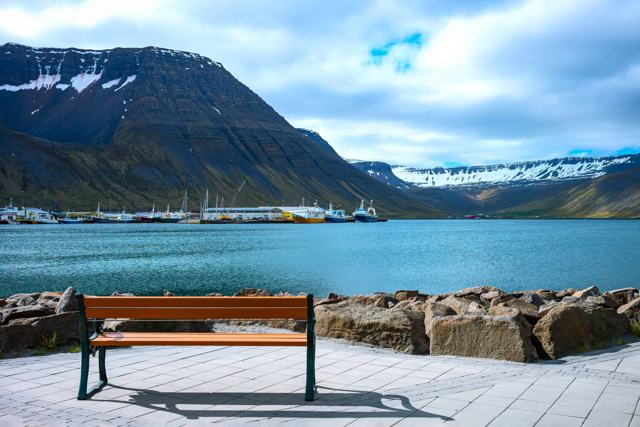
Every Easter the town of Ísafjörður in the Westfjords hosts Aldrei fór ég suður ("I never went south"), a relaxed festival of Icelandic bands of all genres. In 2027 it is on 26–27 March.
The festival was started in the early 2000s by the Ísafjörður musician Mugison and his father, and it began in an old fish warehouse. Local musicians share the stage with well-known bands from the south, and the crowd is warm and supportive. It is a good way to see how Easter is celebrated in a small town in the countryside.
Ísafjörður is a long winter drive from Reykjavík, and many visitors fly. The town is busy at Easter, so book flights and rooms early. See our music festivals guide and our Westfjords tours.
In the capital, the Reykjavík Blues Festival (Blúshátíð í Reykjavík) is held in Easter week. In 2026 it ran over two evenings, on the Wednesday and Thursday before Easter, with Icelandic and international blues artists on stage and a relaxed club session after each concert. Dates for 2027 had not been published when we wrote this, so check the festival's own page.
Skiing over Easter
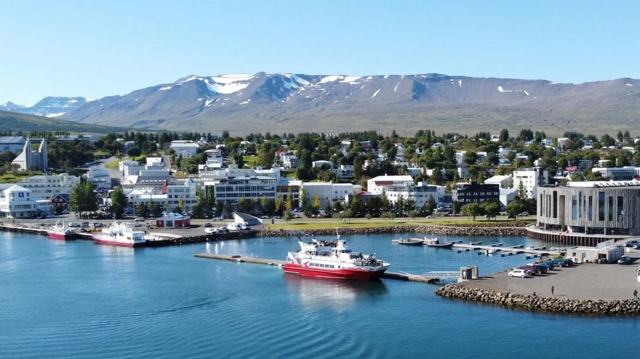
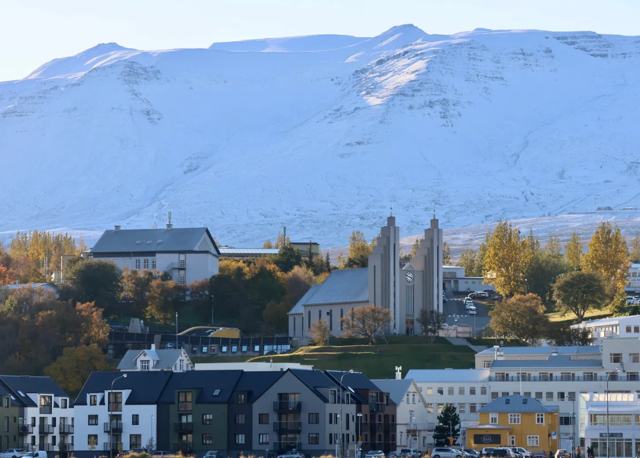
Easter is a favourite time for skiing in Iceland, with good snow and longer days. The main ski area is Hlíðarfjall above Akureyri, which has ski hire on site and is busy over the holidays. There are smaller ski areas at Dalvík, Siglufjörður and Ísafjörður.
Near Reykjavík, Bláfjöll is about 35 km from the city centre and is the largest ski area in the country. Opening always depends on snow and wind, so check the ski area's own page on the day. For more in the north, see our North Iceland tours.
In past years Akureyri has also hosted the Iceland Winter Games in late March, with freeski and snowboard competitions on big snow jumps and the Icelandic dog sledding championship. We could not find dates for 2027, so check with the Akureyri tourist office before you plan around it.
Easter egg hunt on Viðey island
Every year there is a family Easter egg hunt on Viðey, the small island just off Reykjavík. You take the short ferry ride from Skarfabakki pier and search the island for eggs, with a separate area for children aged six and under near the old house, Viðeyjarstofa. You pay the normal ferry fare, and you should book ahead.
In 2026 the hunt was on the Saturday of the weekend before Easter, with the first ferry at 11:30. The date can move at short notice if the weather is bad, so check the ferry company's page in the weeks before Easter 2027.
Tours and things to do at Easter
Most day tours run over the Easter holidays, and late March is a good time for both winter and spring activities. Book ahead, as demand is high over the long weekend.
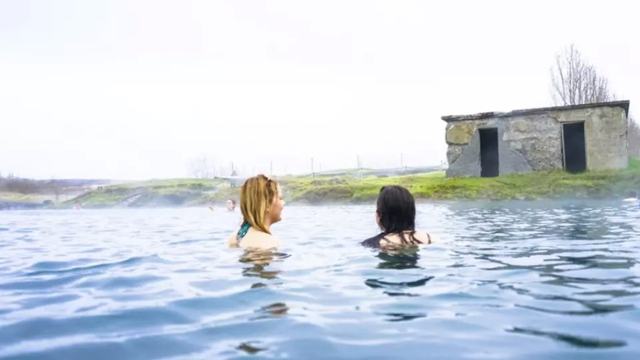
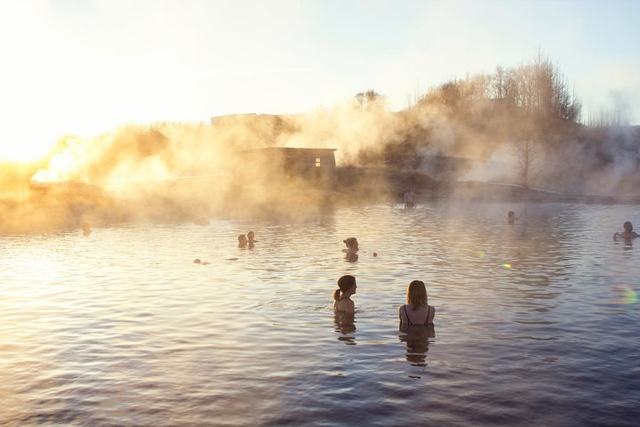
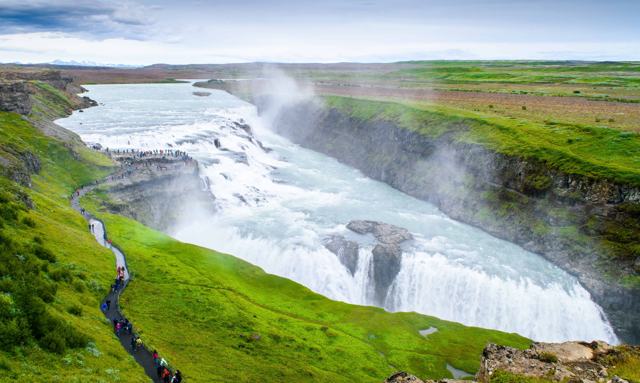
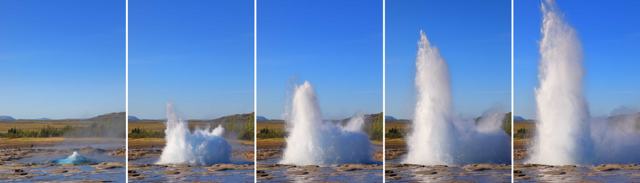
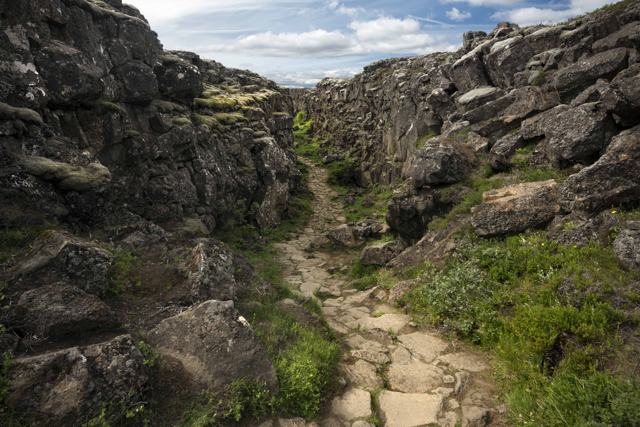
- Drive or join a tour of the Golden Circle: Þingvellir, Geysir and Gullfoss. Add a soak at the Secret Lagoon in Flúðir on the way, or book both on our Golden Circle & Secret Lagoon tour.
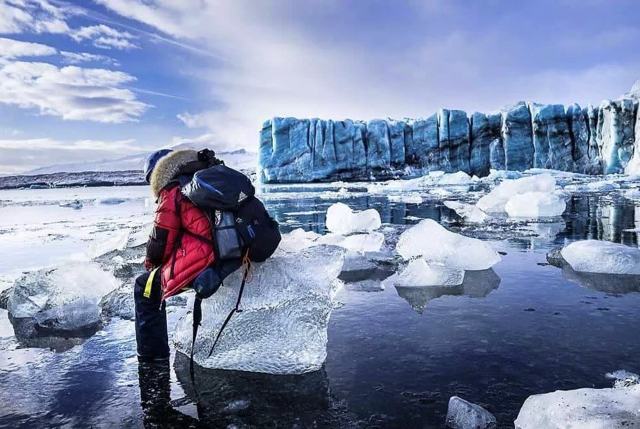
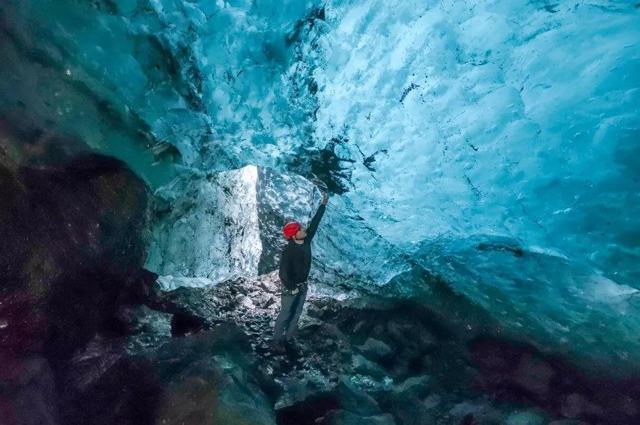
- Visit a blue ice cave in Vatnajökull in the last weeks of the season. See our ice cave tours, including a private Vatnajökull ice cave tour.
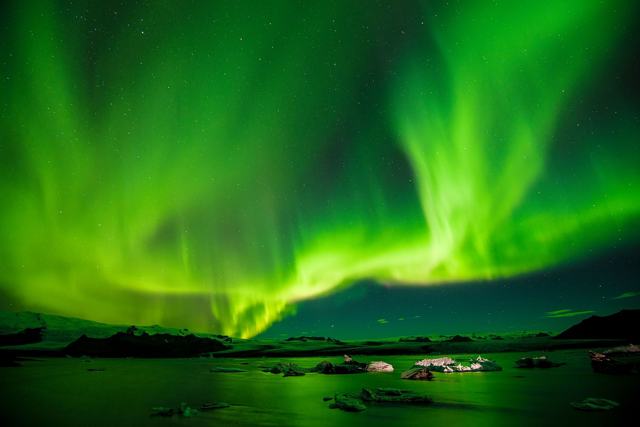
- Go aurora hunting on a clear evening with our Northern Lights tours.
- Relax in a geothermal lagoon such as the Blue Lagoon, or one of the hot springs around the country. Book a time slot in advance over the holidays.
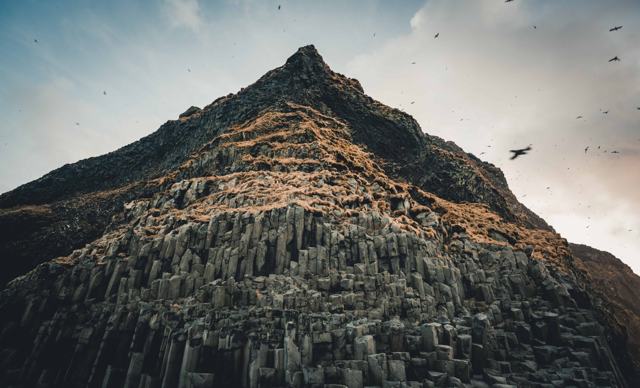
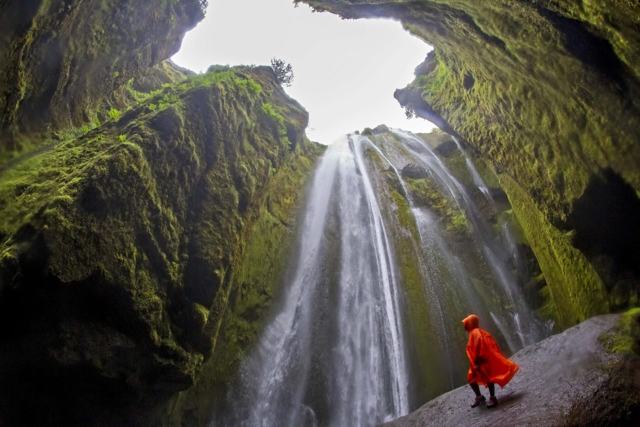
- Take the South Coast to Seljalandsfoss, Skógafoss and the black sand beach at Reynisfjara on a South Coast tour, or with your own guide on a private South Coast tour.
What to pack for Easter in Iceland
Easter is milder than January and February, and the longer days give the whole country a lift, but this is still the edge of the Arctic and the weather is never certain. Pack for winter.
- Warm, waterproof jacket and trousers
- Wool or fleece layers, hat, gloves and a scarf
- Waterproof boots with good grip, plus ice cleats for icy paths
- Swimwear for pools and lagoons
- A spare phone or camera battery, as the cold drains them fast
Tours to book
Over the long weekend these fill up first, so book them early.
- 3 Day Golden Circle & South Coast Tour in Iceland: the Golden Circle and South Coast in one trip, without driving icy roads yourself.
- Vatnajokull Ice Cave: a private ice cave tour in the last weeks of the season.
- Northern Lights Private Tour from Reykjavik: the nights are still dark enough at Easter for an aurora hunt.
Questions people ask
When is Easter in Iceland in 2027?
Easter Sunday is on 28 March 2027. The public holidays are Maundy Thursday (25 March), Good Friday (26 March), Easter Sunday (28 March) and Easter Monday (29 March).
Are shops open in Iceland at Easter?
Many shops close or keep short hours on the four public holidays. Holy Saturday is a normal shopping day. Buy food and drink ahead and check opening hours, especially outside Reykjavík.
What do Icelanders eat at Easter?
Roast leg of lamb is the classic Easter meal. Chocolate Easter eggs filled with sweets and a proverb are opened on Easter Sunday morning.
Do tours run in Iceland over Easter?
Yes, most day tours run over the holidays. Easter is busy because Icelanders travel too, so book early, and keep a spare day in case of bad weather.
Can I see the Northern Lights at Easter?
In 2027, yes, if the sky is clear. Easter falls in late March, when the nights are still dark enough. In years when Easter falls in mid or late April, the chances are much lower.
Is everything closed in Iceland on Good Friday?
Most shops are closed on Good Friday, and it is the quietest day of the Easter holidays. Swimming pools, most restaurants in Reykjavík and most tours still run. The old legal bans on entertainment on Good Friday were lifted in 2019.
What is special about Icelandic Easter eggs?
They are chocolate eggs filled with sweets, and each one hides a slip of paper with an Icelandic proverb, called a málsháttur. Families read the proverbs aloud on Easter Sunday morning.