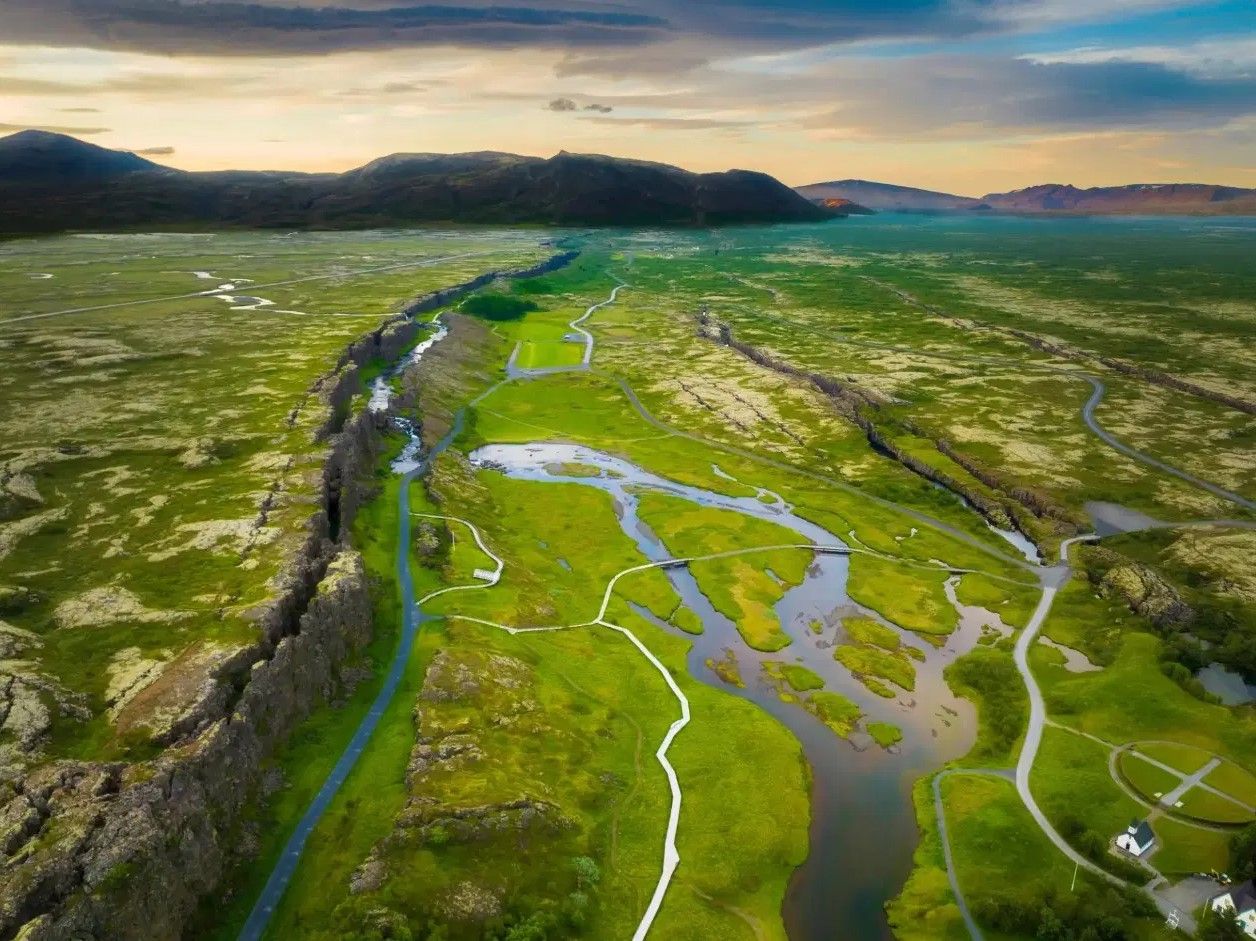
September is one of the best months to visit Iceland. Reykjavík averages a high of about 11°C, days are still long, the summer crowds have gone, and dark nights bring the first real chance of the Northern Lights. Most roads and tours are still running, though the highlands start to close as the month goes on.
New to Iceland? Read our guide for your first time in Iceland.
Weather in September
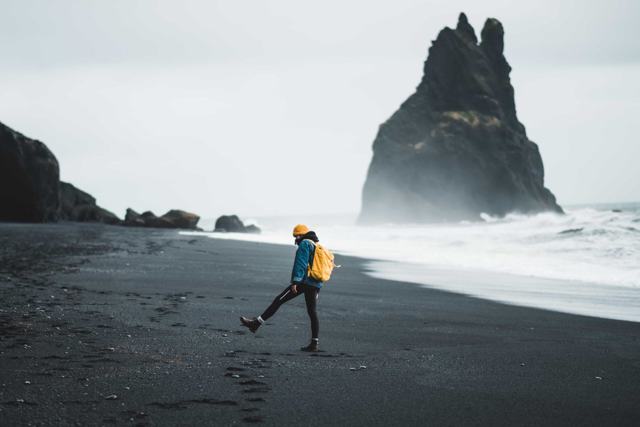
September in Reykjavík averages a high of about 11°C and a low of about 6°C. Records for the month range from about −4°C to 20°C, so both a frost and a warm, sunny day are possible. The north and the highlands are colder, with night temperatures a few degrees lower, and the first snow on the mountain tops often appears late in the month.
It is also a wet and windy month. Reykjavík gets around 87 mm of rain in an average September, with rain on about half the days, and the first autumn storms can bring strong winds. Rainfall varies a lot around the country: Akureyri in the north is drier, with around 50 mm, while the East Fjords coast is far wetter. September is damp, but it is not the wettest month of the year.
Think of it as a month between two seasons, with some of the warmth of summer and the first cool of autumn. Plan a flexible day or two into your trip, and check the forecast and road conditions every morning.
Daylight in September
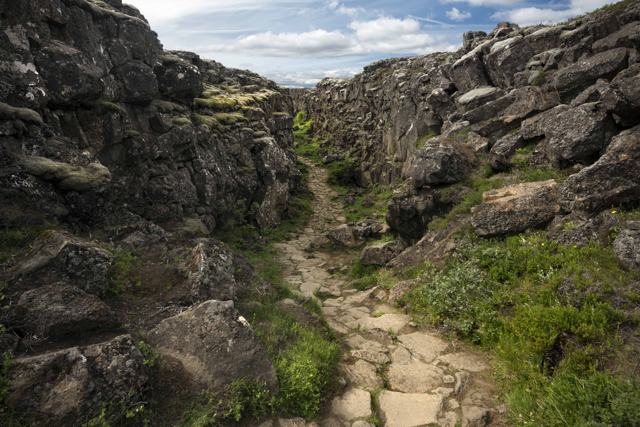
Days shorten quickly in September. On 1 September the sun rises in Reykjavík around 6 am and sets around 8:50 pm, giving about 14 and a half hours of daylight. By the autumn equinox, on 22 or 23 September, day and night are roughly equal, and by 30 September the sun rises around 7:30 am and sets around 7 pm, giving about 11 and a half hours.
That is still plenty of light for a full day of sightseeing, with proper darkness at night. See our daylight hours guide for the whole year.
Pros and cons of visiting Iceland in September
September suits most travellers well, but it is a trade-off. Here is the honest version.
- Pro: milder weather. It is still warm enough for hiking, cycling and long days outdoors without real cold.
- Pro: fewer crowds. The summer peak is over, so there is more room at the well-known stops and shorter queues.
- Pro: autumn colours. Heath, birch and moss turn red, orange and yellow, which is very good for photographs.
- Pro: Northern Lights. The nights are dark again, and the aurora season starts.
- Pro: wildlife. Whales are still active all around the coast. Puffins, though, have mostly gone.
- Con: unpredictable weather. Rain, wind and sudden changes in temperature are normal, so you need a plan B.
- Con: less daylight. You lose about three hours of daylight over the month, which shortens the sightseeing day by the end.
- Con: some things close. A few summer tours, cafés and museums run reduced hours or stop for the winter, so check ahead.
- Con: cool evenings. You need warmer clothes than in July, especially at night.
- Con: variable roads. Highland roads and remote routes can close with the first snow.
- Con: prices are not low yet. Rooms and tours can still be near summer rates, above all early in the month or if you book late.
Northern Lights season begins
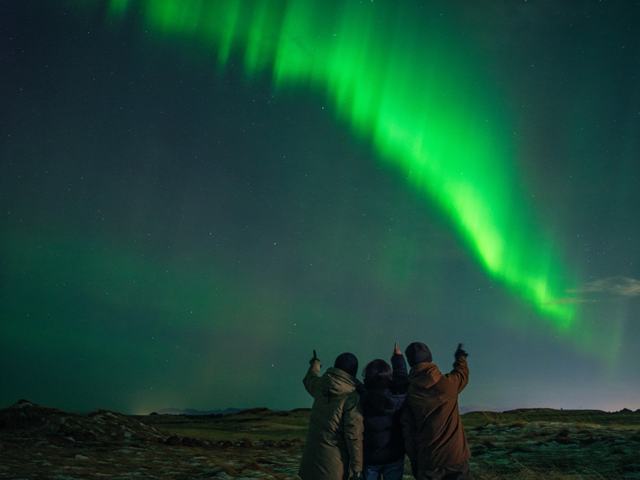
The nights are dark enough again from late August, so September is the start of the Northern Lights season. You need a clear sky, dark surroundings away from town lights and some solar activity. Late September, with longer nights, usually gives better chances than the first days of the month.
The lights are caused by the solar wind, a stream of charged particles from the sun. When these particles hit gas molecules high in the atmosphere, energy is released as light, most often green. Iceland has little light pollution outside the towns, so once it is dark you do not have to go far to see them.
The cloudy autumn weather is the main obstacle, so do not count on a single night. Give yourself several evenings, or join a guided tour that follows the forecast and drives to where the sky is clearest, such as our small-group Northern Lights tour. See our Northern Lights tours and our Northern Lights guide.
Autumn colours and berjamó, the berry picking
From mid-September the low shrubs, birch and blueberry plants turn red, orange and gold. Þingvellir is one of the best places to see it, and the moss and heath around the highlands and the north take on deep reds. In East Iceland, Hallormsstaðaskógur, the country's largest forest, is good for autumn walks.
Late summer is also berry season. Icelanders go berjamó, picking wild berries on the hillsides, usually from late August into September. It is a favourite pastime: families drive out of town with buckets and spend a quiet afternoon on the heath, with little to hear but berries dropping into the tub and a raven somewhere in the distance.
The most common berries are crowberries, which are slightly bitter and have long been used for juice and desserts, and bilberries and blueberries, which are eaten with skyr and cream. What is not eaten on the spot goes into jam, cakes, juice and even wine. You are welcome to pick for yourself on open land; just stay off fenced farmland.
Réttir: sheep and horse round-ups
September is round-up season, one of the oldest traditions in the countryside. Sheep that have grazed freely in the mountains all summer are herded down by farmers, family and friends, on foot and on horseback with the help of Icelandic sheepdogs. At the sorting pen, the rétt, each farm claims its own animals by their earmarks before they are taken home for the winter. The day usually ends with singing and a party. Round-ups run from early September to around mid-October, and visitors are often welcome to watch or help. Read our guide to réttir, the sheep round-up.
Horses are rounded up too, from the end of September into early October. The best-known horse round-up is Laufskálarétt in Skagafjörður, North Iceland, at the end of September. More than a thousand riders take part in the herd drive, and a horse show and a dance follow. It is a big local event, so book accommodation early. See our guide to the Icelandic horse and our horse riding tours.
The round-ups have always been social events as much as farm work. Before there were roads, farming families lived far apart and seldom met, and the autumn gathering was the chance to see neighbours, trade horses and sheep and settle disputes. If you meet a large herd on a country road in September, stop, wait and enjoy it. There is a round-up close by, and visitors who turn up are often invited to join in.
What's open, and what closes
Most of Iceland is fully open in September. The Ring Road, the Golden Circle, the South Coast, Snæfellsnes, the north and the Westfjords are all accessible, and most hotels, restaurants and tours run as normal. It is a very good month for a self-drive trip around the country, or for a guided one such as our 8-day tour around Iceland.
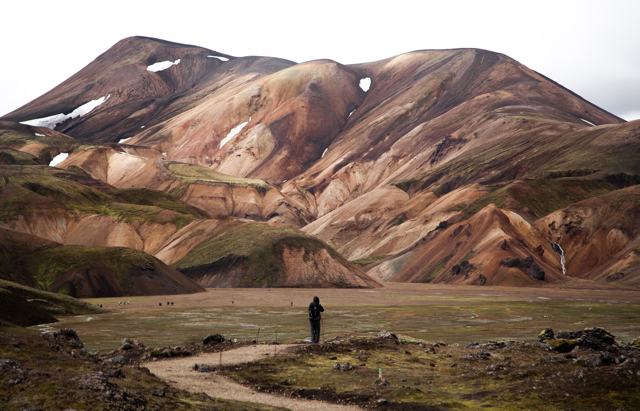
The highlands are the exception. Mountain roads have no fixed closing dates: they close when the weather turns. The first can shut with snow in September, and most F-roads are closed by some time in October. Snow can shut a route at short notice. Only drive F-roads in a real 4×4, never drive off marked tracks, and always check road.is (or phone 1777) before you set off. Tours to Landmannalaugar usually run until around mid-September; after that, a super jeep tour, such as our Þórsmörk super jeep tour from Hella, is the safest way into the interior.
Some seasonal services in the countryside reduce their hours or close for the winter towards the end of the month, so check opening times for small cafés, museums and guesthouses in remote areas.
Wildlife: whales, seals and puffins
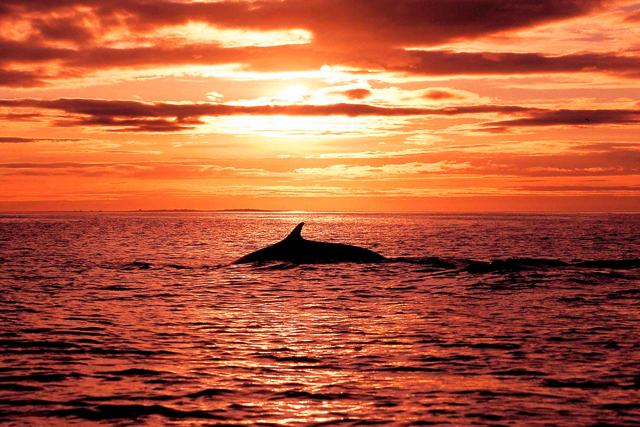
Whale watching is good in September. Tours run from Reykjavík, Húsavík and other harbours around the coast, the whales stay active through the autumn, and humpback whales, minke whales, dolphins and porpoises are often seen. See our whale watching tours.
Puffins are mostly gone by September. The adults and chicks leave the cliffs from mid-August. In the Westman Islands, young pufflings still leave the burrows into early September, and local children rescue the lost ones that land in town. If puffins are your main goal, come in June, July or early August. Our puffin guide explains more.
Best things to do in September
- Drive the Golden Circle: Þingvellir, the Geysir area, where Strokkur erupts every few minutes, and Gullfoss. The autumn colours at Þingvellir are at their best from mid-September.
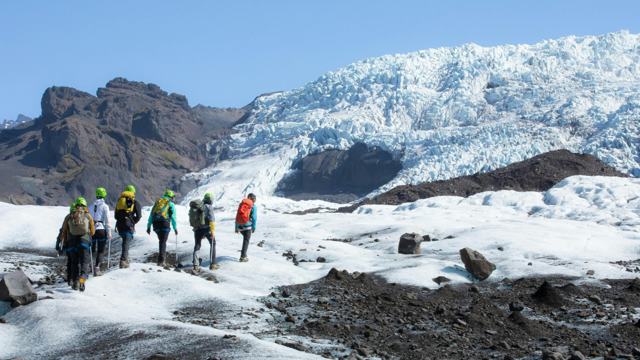
- Follow the South Coast to Skaftafell and Jökulsárlón. With fewer people around, it is a good month for a guided glacier hike, such as our Skaftafell glacier hike. If you would rather drive yourself, our 5-day South Coast and Glacier Lagoon self-drive comes with the car, hotels and a day-by-day plan.
- Hunt for the Northern Lights on a clear night, on your own or with a guide.
- Go whale watching from Reykjavík or Húsavík, for example on our Húsavík whale watching tour.
- Watch a sheep or horse round-up in the countryside.
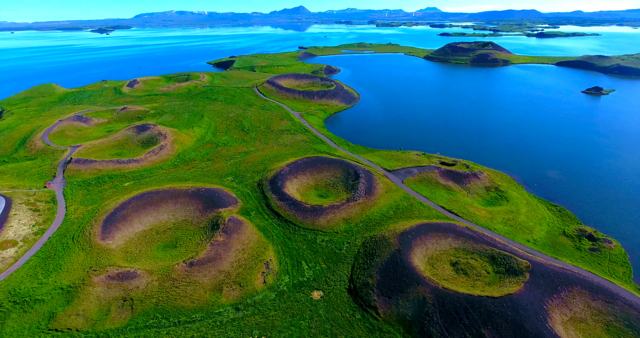
- Visit North Iceland and Mývatn, which is quiet in September. See our North Iceland tours.
- Soak in a hot spring on a cool evening, and if the sky is clear, keep an eye out for the aurora.
The Golden Circle in September
The Golden Circle is the classic day out from Reykjavík, and it is at its best in autumn colour. The route has three main stops.
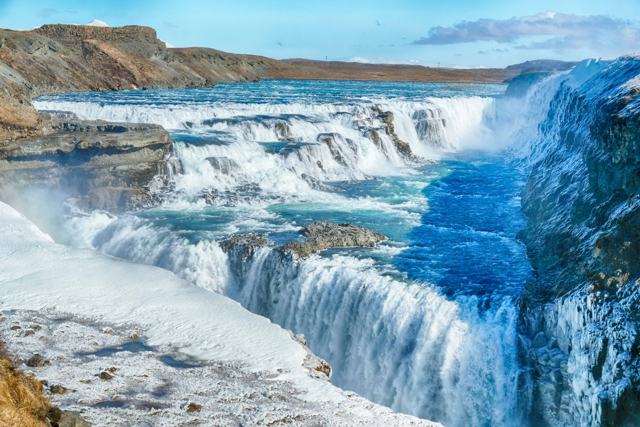
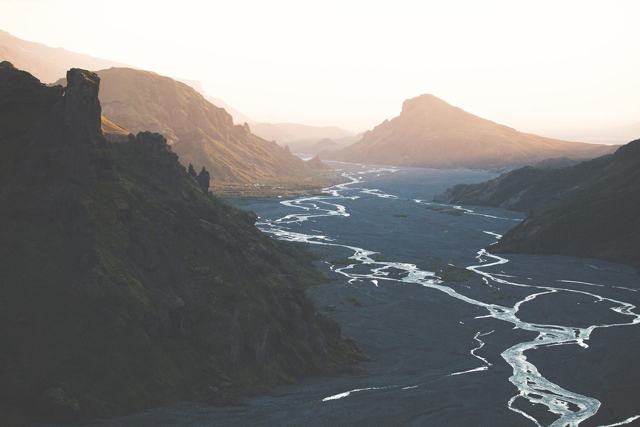
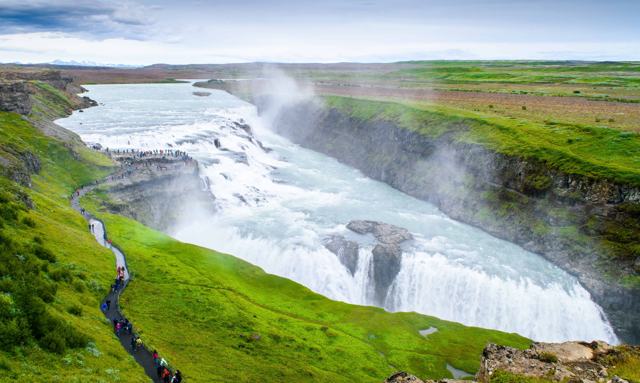
Gullfoss drops 32 metres in two steps into a narrow canyon. On a sunny day the spray throws up a rainbow over the falls. At the Geysir hot spring area in the Haukadalur valley, the geyser Strokkur shoots hot water into the air every five to ten minutes. Þingvellir National Park lies in a rift valley between the North American and Eurasian tectonic plates, one of the few places where you can see the plate boundary above sea level, and it has plenty of easy walking trails.
Hiking in Skaftafell and kayaking on the glacier lagoons
Iceland has hiking for every level, and Skaftafell in Vatnajökull National Park is a good place to start. It has several marked trails, most of them not hard, including the walk to the basalt-column waterfall Svartifoss. Trails are quieter in September, but they can be wet and slippery, and daylight is shorter, so start early.
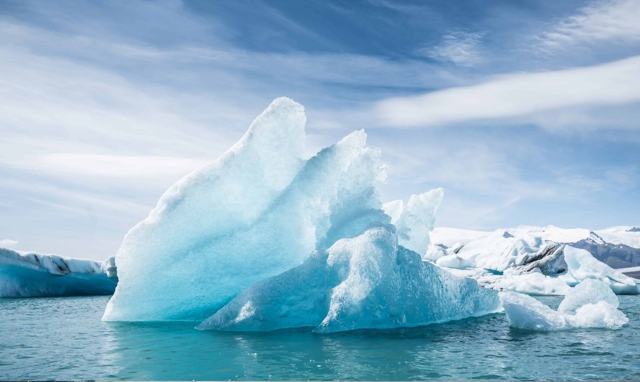
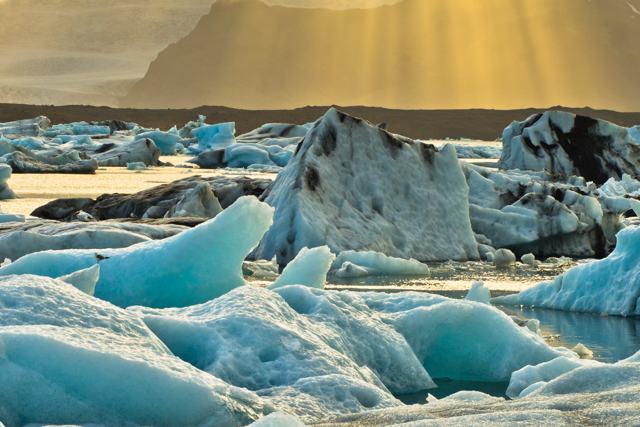
Skaftafell is not far from Jökulsárlón. September is usually the last month for kayaking among the icebergs on the glacier lagoons, as the season runs from about May to September. It is the closest you can get to the ice on the water.
Hot springs, swimming pools and cosy cafés
September is a very good month for bathing outdoors. The air is cool but not yet bitter, so you can sit in warm water with a fresh breeze on your face. Every town has a geothermal swimming pool with hot tubs, and that is where Icelanders meet and talk, so it is also the easiest place to chat with locals. Shower without your swimsuit before you get in; that rule applies everywhere.
When the weather turns, do as the locals do and go for coffee. Reykjavík has a strong café culture, with small roasteries and neighbourhood cafés all over the centre, and a rainy September afternoon is the right time to try it.
Driving around Iceland in September
Most roads are open and free of snow in September, so it is a good month for a road trip. The Ring Road is about 1,300 km and takes you through the south, the East Fjords and the north. With extra days you can add the Westfjords, though the mountain passes there are among the first to see snow.
The Snæfellsnes peninsula is a good shorter trip of one or two days. It is rich in folklore, with misty fjords, lava fields and Snæfellsjökull, a glacier-capped volcano at its tip. If you only have day trips, the Golden Circle and the South Coast are the most popular drives. Wind is the main hazard in autumn, so hold on to car doors and slow down on exposed stretches.
Best self-drive activities in September
If you have your own car, these guided activities are easy to drive to and all run in September.
- The Katla ice cave near Vík, under the Mýrdalsjökull ice cap, which is open all year.
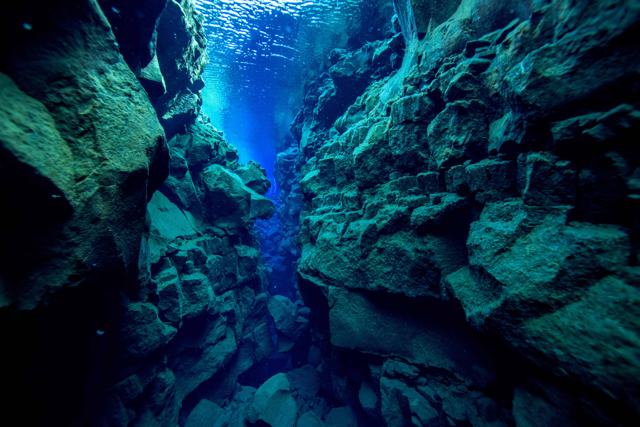
- Snorkelling in Silfra at Þingvellir, in very clear glacial water.
- A glacier hike on Sólheimajökull on the South Coast.
- Snowmobiling on Langjökull.
- The lava cave Víðgelmir in West Iceland.
- The Giljaböð canyon baths, a hot spring hike from Húsafell.
- Kayaking on a glacier lagoon, while the season lasts.
Best day tours to take in September
If you would rather not drive, these are the day trips that work best this month.
- The South Coast by day and the Northern Lights after dark.
- The Snæfellsnes peninsula in one long day.
- The Golden Circle with a snowmobile ride on Langjökull.
- Sightseeing at the Jökulsárlón glacier lagoon.
- The Golden Circle with a soak in the Blue Lagoon.
- The South Coast with a glacier hike.
Festivals and events in September
As the evenings draw in, the cultural season starts, with art, music and film festivals, most of them in and around the capital.
Ljósanótt, the Night of Lights, is a town festival in Reykjanesbær (Keflavík) on the first weekend in September. Artists open their studios and galleries, musicians play around town, and guests are served traditional kjötsúpa, lamb soup. There are classic cars and fairground rides too. The main event is on Saturday evening, when the sea cliffs are lit up and the night ends with fireworks. In 2026 it ran from 3 to 6 September.
Októberfest is the Icelandic student version of the Munich beer festival. It began as a small get-together of students of German at the University of Iceland, with a tent on the campus lawn, beer and Bavarian music. Today it is a three-night open-air music festival in big tents in Vatnsmýri, beside the university, with Icelandic bands and artists in place of the brass. In 2026 it ran from 10 to 12 September.
The Reykjavík International Film Festival (RIFF) runs from late September into early October. In 2026 it ran from 24 September to 4 October, eleven days of independent, Icelandic and Nordic films from dozens of countries, with a focus on new directors, plus talks and some unusual screening venues. The competition section, New Visions, is only for a director's first or second feature film, and the winner takes home the Golden Puffin. Another section, A Different Tomorrow, shows films on environmental and humanitarian subjects. RIFF is also known for its special screenings, such as the swim-in cinema in a swimming pool and film concerts with live music.
Round-ups (réttir) and Laufskálarétt, described above, are the other big events of the month. For music events through the year, see our music festivals guide. Always check dates before you plan around an event, as they are only confirmed a few months ahead.
Crowds, prices and booking
The summer rush ends in late August, so September is noticeably calmer. Popular stops such as Gullfoss and Skógafoss are still busy in the middle of the day, but much less than in July. Prices for rooms and cars usually begin to drop, though the first half of September can still be close to summer rates.
Book accommodation in small towns early, especially in the south and east, where options are limited. If you want the calm of autumn with more darkness for the aurora, October is another good choice. For more summer light and open highlands, look at August.
What to pack for September
The weather is unpredictable and often wet, so pack in layers that you can add or take off through the day. That is the rule in Iceland all year. Our Iceland packing list has the full list.
- Waterproof and windproof jacket
- Waterproof trousers
- Warm mid-layers, such as a wool or fleece jumper
- Thermal base layers and warm socks
- Hat, scarf and gloves
- Sturdy, waterproof walking boots
- Swimwear and a quick-dry towel for hot springs
- Sunglasses, as the sun is low and the roads are often wet
- A camera with a tripod if you want to photograph the Northern Lights and the autumn colours
- Any prescription medicine you need, and your usual toiletries
Tours to book
September is a good month to travel, and these make the most of it.
- 8 Day Tour Around Iceland : Icelandic Highlights: the whole country while it is quiet, with dark nights for the aurora.
- South Coast & Glacier Lagoon in 5 Days: your own pace, with the car, hotels and plan arranged.
- Skaftafell Glacier Hike: a guided walk on Vatnajökull with fewer people around.
Questions people ask
What is the weather like in Iceland in September?
Cool, wet and changeable. Reykjavík averages a high of about 11°C and a low of about 6°C, with rain on about half the days. The first autumn storms and mountain snow often arrive late in the month.
Can you see the Northern Lights in Iceland in September?
Yes. The nights are dark again, and September is the start of the aurora season. You need clear skies and solar activity, and chances improve later in the month as the nights grow longer.
How many hours of daylight are there in Iceland in September?
In Reykjavík, about 14 and a half hours on 1 September, falling to about 11 and a half hours by 30 September.
Are the highland roads open in September?
Most are at the start of the month. There are no fixed closing dates: the first F-roads can close with snow in September and most are closed by some time in October. Snow can close them at any time, so check road.is before you go.
Is September a good time to visit Iceland?
Yes. It combines mild weather, long enough days, fewer crowds and the first chance of the Northern Lights. Puffins have mostly left, and the highlands begin to close.
What festivals are on in Iceland in September?
Ljósanótt in Reykjanesbær on the first weekend, the student Októberfest in Reykjavík in mid-September, the Reykjavík International Film Festival from late September, and sheep and horse round-ups around the country.
What should I pack for Iceland in September?
Layers. A waterproof and windproof jacket and trousers, a warm jumper, thermals, hat and gloves, waterproof boots, swimwear and sunglasses.
Can you kayak on the glacier lagoon in September?
Usually yes. The kayaking season on the glacier lagoons runs from about May to September, so it is the last month. Check dates with the tour before you travel.