Iceland Travel GuideLOCAL TRAVEL AGENCY IN ICELAND
My trip
Talk to a local
Iceland Travel GuideLOCAL TRAVEL AGENCY IN ICELAND
My trip
Talk to a local
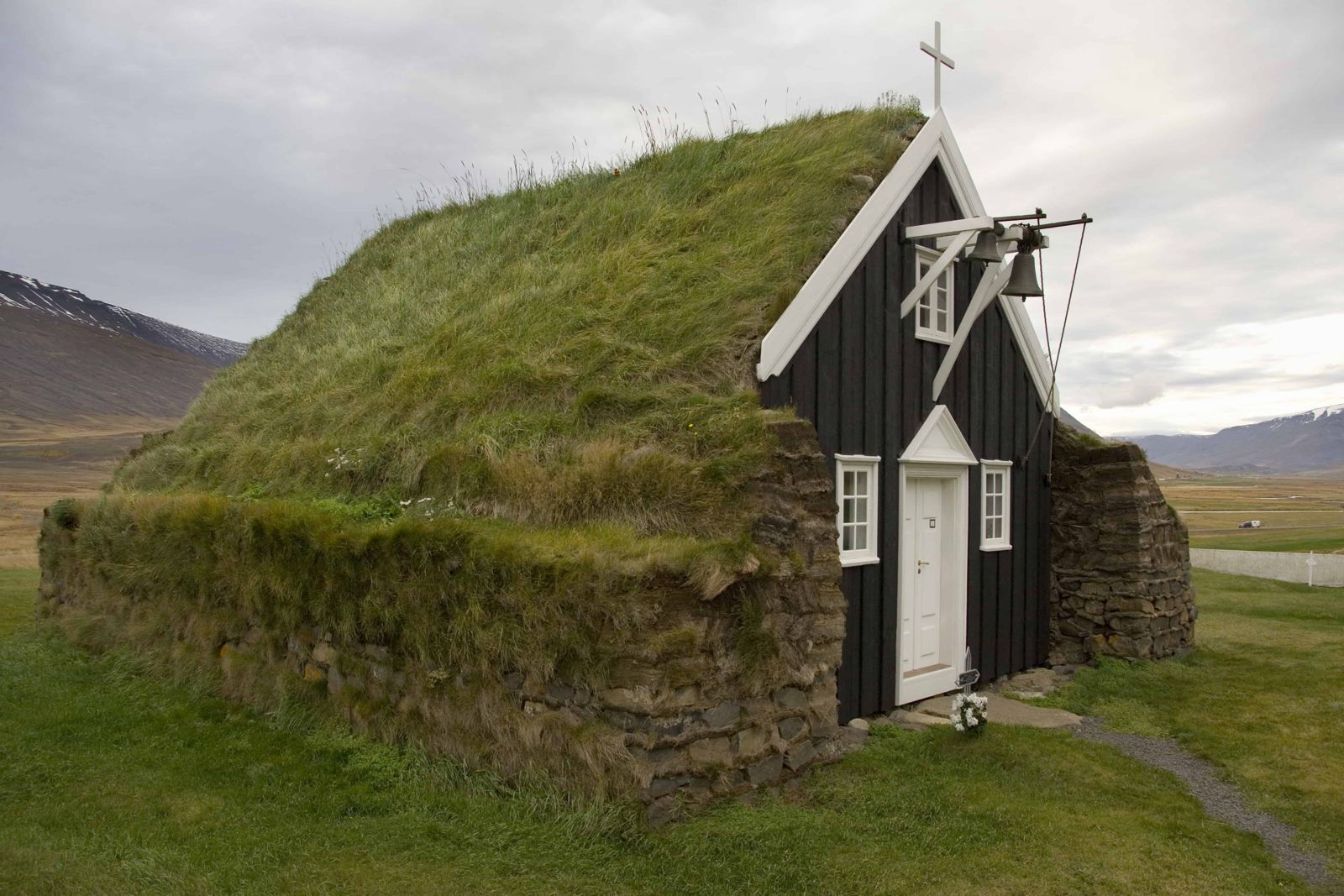
Saurbæjarkirkja is an original turf church built in 1858 in the Eyjafjörður valley, about 25 to 30 km south of Akureyri in North Iceland. It is one of only six turf churches left in Iceland and the largest of them. The church is usually locked, so you need to get the key from a nearby farm or museum. Allow 20 to 30 minutes.
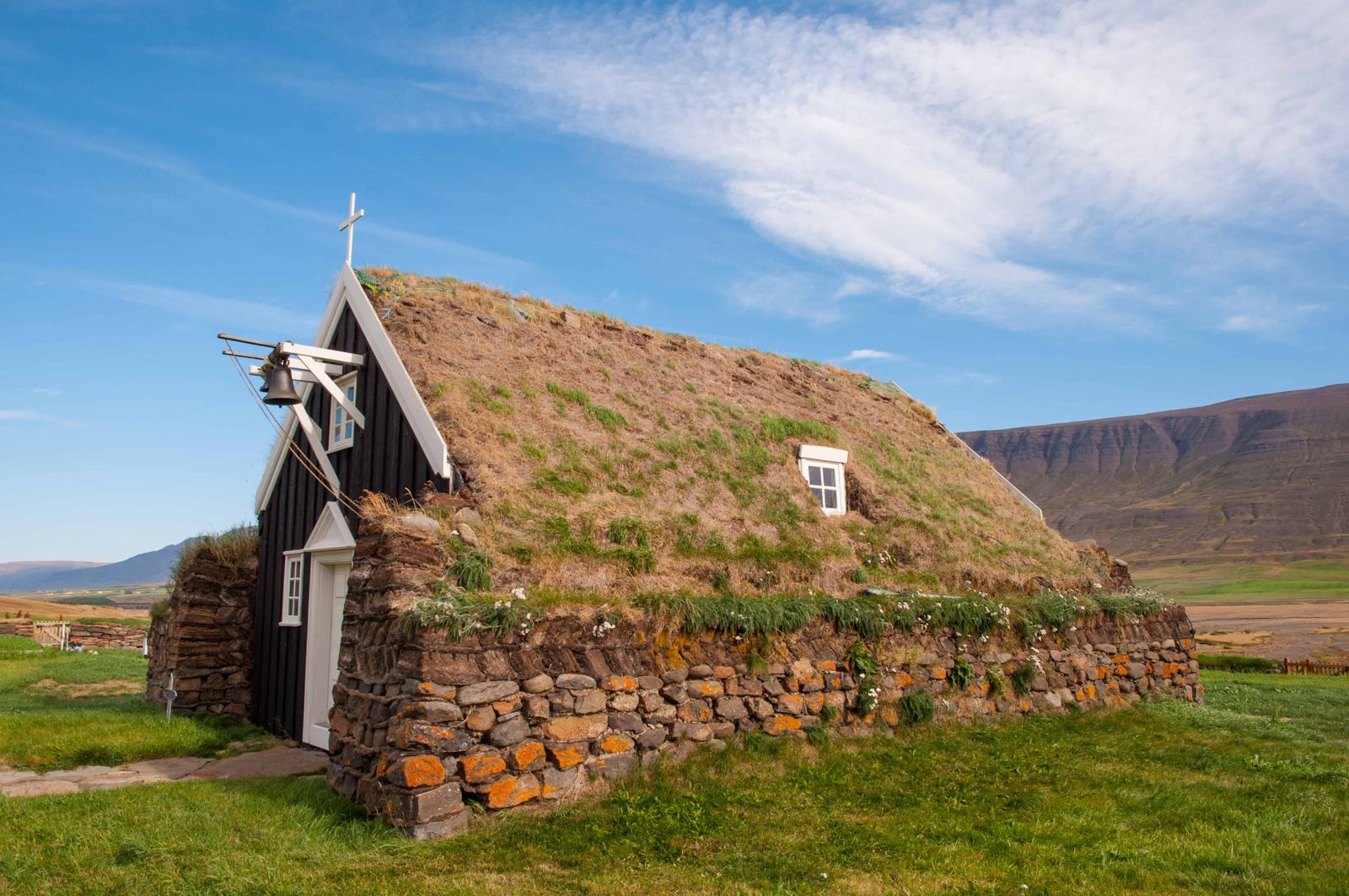
Saurbæjarkirkja looks like a small grass-roofed farm building, with thick turf and stone walls and a timber front. Inside, it is a proper church, panelled in wood and warm in feel, with seating for about 60 people. Bells hang from the front gable instead of a tower.
The church was built in 1858 by the carpenter Ólafur Briem, who had learned his trade in Copenhagen, for Reverend Einar Thorlacius. Turf was the main building material for churches in Iceland until the mid-19th century, when timber and later cement took over, and very few turf churches survive. This is the largest of the six. A concrete cellar was added in 1960, and the church was rebuilt in 2003. It has belonged to the National Museum of Iceland since 1962 and is a protected building.
It stands in the inner part of Eyjafjörður, Iceland's longest fjord, on the right-hand side of Route 821 as you drive south from Akureyri, in wide green farmland. It is best seen as part of a day trip from Akureyri along with other sights in the valley.
For centuries most churches in Iceland were built of turf, wood and stone, because there was little timber. When imported wood and cement became available in the 19th century, the old turf churches were replaced or fell into ruin.
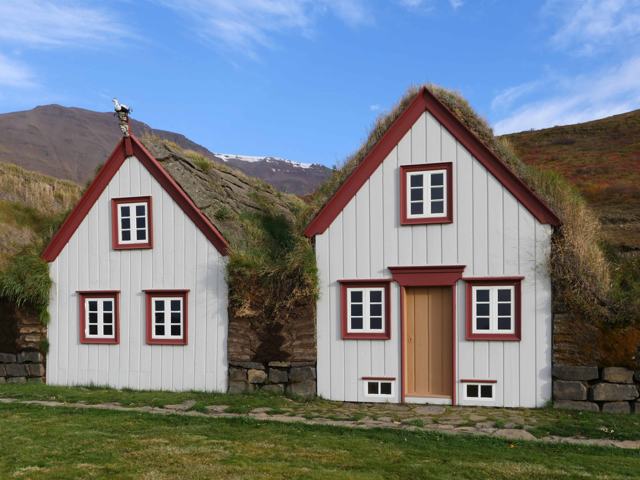
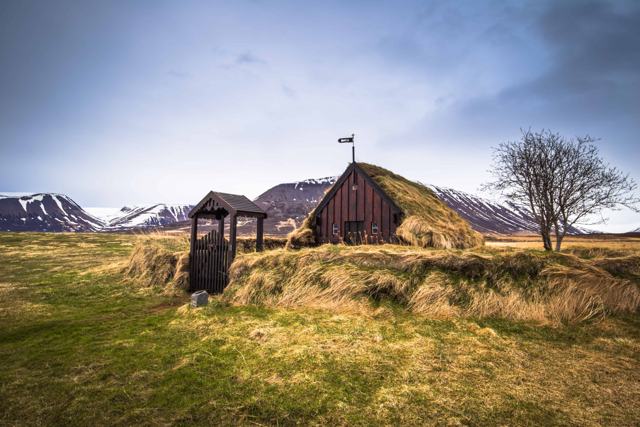
Only six original turf churches remain in the country. Saurbæjarkirkja is the largest, and the others include Hofskirkja in the south and Grafarkirkja and Víðimýrarkirkja in the north.
Saurbær has been a church site since early in Iceland's history. A religious house was founded here around the year 1200, though few sources about it survive, and the earlier churches on the site were dedicated to St Nicholas and St Cecilia.
Turf churches have no bell tower. The bells usually hang on the front gable, as they do here, and some turf churches also have a lychgate at the entrance to the churchyard.
There are no facilities at the church itself. The museum nearby may have toilets and a café in summer, and Akureyri has full services.
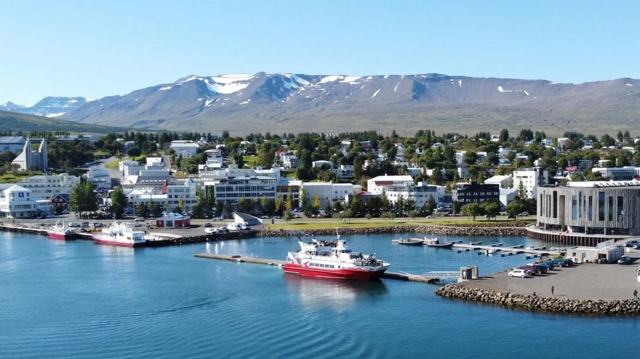
Akureyri is the best base, with a wide choice of hotels, guesthouses and restaurants. There are also farm stays in the Eyjafjörður valley.
It was built in 1858 by the carpenter Ólafur Briem.
It is usually locked. In summer you can get the key from the museum Smámunasafn or from the farm family nearby.
About 25 to 30 km south, on Route 821 in inner Eyjafjörður.
Six original turf churches survive, and Saurbæjarkirkja is the largest.
No, entry is free, but the key must be collected.
In inner Eyjafjörður in North Iceland, on the right-hand side of Route 821 about 25 to 30 km south of Akureyri and about 410 km from Reykjavík.